

- Want to Make Money Online? Try This Proven Method - August 20, 2026
- The Best Way to Turn Your Dreams Into Reality - July 18, 2026
- The One Thing Poor People Must Understand to Change Their Lives - July 15, 2026

Sugar has quietly become a constant part of modern eating habits, showing up not only in obvious treats like soft drinks, biscuits, and desserts but also in everyday foods such as bread, sauces, cereals, and even products labeled as “healthy.”
This is why many people don’t realize how dependent they are until they consciously decide to stop eating sugar. Once you start to stop eating sugar, you begin to notice how deeply it is embedded in almost every meal and snack you consume.
It influences your cravings, your energy levels, your mood, and even how your body responds to hunger and fullness, making the process feel less like a simple diet change and more like a full lifestyle reset that requires awareness, discipline, and patience to fully adjust.
1. The First Shock Your Body Experiences
When you first stop eating sugar, your body reacts almost immediately in ways that can feel intense and uncomfortable because it has become used to sugar as a fast and easy source of energy.
Once this happens you may experience headaches, fatigue, irritability, brain fog, and strong cravings that feel difficult to control, and all of these are signs that your body is adjusting to the sudden absence of sugar.
During this stage, your brain is also trying to rebalance dopamine activity that was previously triggered by sugar intake, so the emotional and physical discomfort you feel is part of a temporary withdrawal process that usually improves as your body begins to adapt.
If you want to support your body even further while you stop eating sugar, you may also find this helpful guide on simple ways to boost your immune system naturally useful, as it explains practical daily habits that can strengthen your overall health and immunity.
2. Understanding Sugar Withdrawal Symptoms
The withdrawal symptoms that come when you stop eating sugar are both physical and psychological because sugar affects not only your body but also your brain’s reward system.
At this point,you may feel restless, low in energy, emotionally sensitive, and even slightly unmotivated, and this happens because your brain is adjusting to functioning without frequent sugar-induced dopamine spikes.
Although this phase can feel discouraging, it is temporary, and over time your body begins to stabilize, your mood becomes more predictable, and your dependence on sugar for emotional comfort gradually reduces.
To better understand how sugar affects the body and long-term health, you can read this detailed explanation from the World Health Organization.
3. Energy Levels Begin to Stabilize Naturally
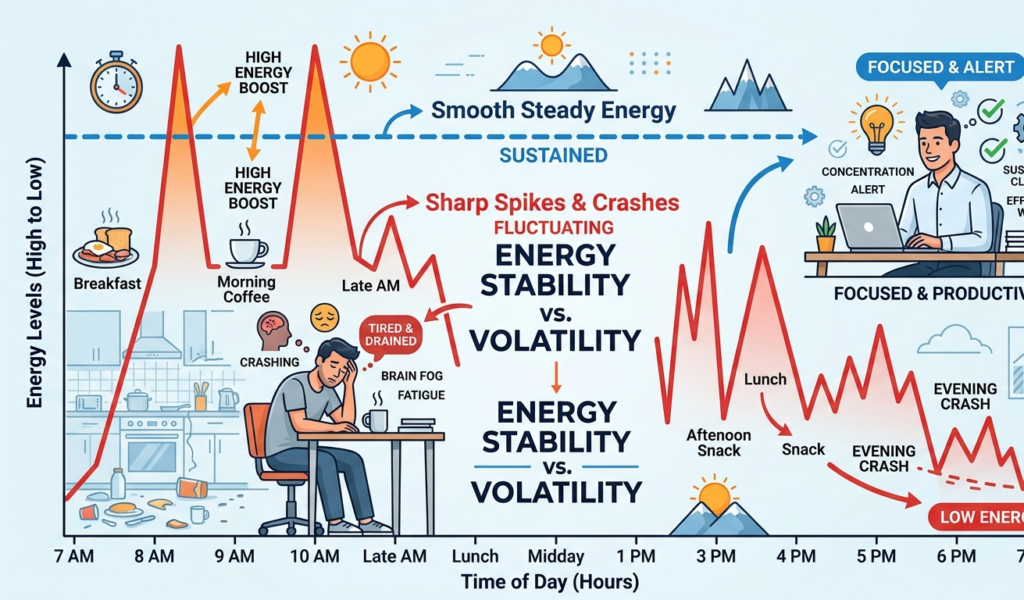
After the initial withdrawal phase, one of the most noticeable changes when you stop eating sugar is the stabilization of your energy levels throughout the day.
Instead of experiencing sudden bursts of energy followed by sharp crashes, your body begins to maintain a more consistent and steady energy flow that supports your daily activities more effectively.
You will notice that your metabolism becomes more efficient at using stored energy and alternative fuel sources, allowing you to stay focused, alert, and productive for longer periods without constantly needing sugary snacks or drinks to push through the day.
While you stop eating sugar and begin noticing improvements in your skin and overall health, you may also find this guide on how to reduce stretch marks naturally useful for supporting smoother and healthier-looking skin over time
4. The End of Sugar Crashes and Constant Fatigue
When you stop eating sugar, the cycle of energy spikes and crashes begins to fade gradually, and this is one of the most relieving changes people notice.
Sugar normally causes quick rises in blood sugar levels followed by sudden drops that lead to fatigue, weakness, and lack of motivation.
As you maintain your level of taken sugar,your blood sugar becomes more stable, and your body no longer experiences those extreme fluctuations.
This leads to more consistent energy levels throughout the day, reduced tiredness, and a much smoother daily routine without the constant need for quick energy fixes.
To understand how diet choices influence inflammation in the body, you can explore this resource from Cleveland Clinic.
5. Your Taste Buds Reset Completely
One of the best things you will notice when you stop eating sugar is that your taste buds begin to reset, and this changes the way you experience food in a very noticeable way.
Foods that once seemed normal may start to taste overly sweet, while natural foods such as fruits, vegetables, and whole grains begin to taste more balanced and satisfying.
This happens because your body is no longer constantly exposed to high levels of sugar, allowing your sensitivity to natural flavors to return.
Over time, this makes healthier foods more enjoyable and reduces your dependence on heavily sweetened options.
For scientific insights on how excess sugar contributes to weight gain and metabolic issues, Harvard Health provides a clear breakdown.
6. Cravings Slowly Lose Their Control Over You
At the beginning of your journey to stop eating sugar, cravings can feel very strong and almost uncontrollable, making it seem like sugar has complete control over your eating habits.
These cravings gradually begin to weaken as your brain adjusts to lower sugar intake.
Your body starts to feel more satisfied with balanced meals, and the emotional urge to eat something sweet becomes less frequent and less intense. Over time, you regain control over your food choices instead of feeling controlled by cravings.
7. Weight Loss Becomes a Natural Process
,Weight loss often begins naturally without the need for strict dieting or extreme restrictions because sugar contributes a large amount of empty calories that do not keep you full for long.
, your appetite becomes more regulated, your insulin levels stabilize, and your body begins to use stored fat more efficiently for energy.
This leads to gradual, steady, and sustainable weight loss that feels more natural and easier to maintain compared to rapid or unhealthy dieting methods.
If you want to learn how blood sugar levels work in the body and what affects them, the Mayo Clinic offers a simple medical guide.
8. Your Skin Starts to Heal and Improve

Once you stop eating sugar, your skin often begins to show visible improvements because sugar contributes to inflammation and collagen breakdown in the body.
Inflammation reduces, and your body begins to repair itself from within. Over time, this may result in fewer breakouts, smoother skin texture, and a healthier natural glow.
These changes reflect the internal healing happening as your body adjusts to a lower sugar environment.
9. Hormones Begin to Regulate Properly
Sugar has a strong effect on hormonal balance, especially insulin, and when you stop eating sugar, your body begins to regulate these hormones more effectively.
When you stop eating sugar, your hunger signals become more stable, your energy levels become more balanced, and your metabolism functions more efficiently.
This hormonal stability helps reduce unpredictable cravings and supports a more consistent and healthy internal system overall.
10. Mental Clarity and Focus Improve Significantly
Your brain benefits from more stable energy levels, which directly improves mental clarity and focus.
If you make the decision to stop eating sugar, you may notice reduced brain fog, better concentration, and improved productivity because your brain is no longer dealing with the constant highs and lows caused by sugar spikes and crashes.
This allows you to think more clearly and stay mentally sharp for longer periods.
11. Your Mood Becomes More Balanced
Sugar can cause mood swings because it affects blood sugar levels, and when you stop eating sugar, your emotional state begins to stabilize.
Once you stop eating sugar you may feel calmer, more emotionally steady, and less reactive to stress.
This happens because your body is no longer experiencing rapid fluctuations in energy that often trigger emotional instability, allowing you to maintain a more balanced mood throughout the day.
12. Sleep Quality Improves Naturally
Your sleep quality often improves when you stop eating sugar because sugar can interfere with hormones that regulate sleep patterns.
Your body begins to maintain a more stable rhythm, making it easier to fall asleep and stay asleep throughout the night.
This will restore your sleep, which improves your energy levels, mood, and overall health during the day.
13. Long-Term Health Risks Are Reduce

Let me honest with you,if you stop eating sugar today, you significantly reduce your risk of long-term health conditions such as diabetes, heart disease, obesity, and fatty liver disease.
your body will become more efficient at regulating blood sugar levels and maintaining metabolic balance.
This supports better long-term health and reduces strain on vital organs, making it a powerful preventive step for your future well-being.
14. You Develop a Healthier Relationship With Food
When you stop eating sugar, your relationship with food gradually becomes more mindful and intentional because you are no longer driven purely by cravings or habits.
You will become more aware of your body’s actual needs and make more balanced food choices. This shift helps you eat with greater control and purpose, leading to a healthier and more sustainable lifestyle over time.
Choosing to stop eating sugar is a major lifestyle change that allows your body to reset, recover, and function more efficiently over time.
While the early stages of stop eating sugar may feel challenging due to cravings and withdrawal symptoms, the long-term benefits such as stable energy, improved mood, better skin, and reduced health risks make the journey worthwhile
You will gradually adapts to a healthier balance that supports both your physical and mental well-being.
As you focus on making healthier lifestyle changes like choosing to stop eating sugar for better energy and overall well-being, building consistency in other areas of life can also support your growth, and this guide on daily habits to grow online consistently explains how simple daily routines can help you stay productive and achieve long-term success in your online journey
Damages of Excess Sugar in Your Body

I have taken time to outline some of the damages that excess sugar can cause in your body.
Excess sugar in the body slowly causes harm in ways many people don’t notice until the damage becomes serious.
When you consistently consume too much sugar, your blood sugar levels keep rising and falling sharply, which puts constant pressure on your insulin system and can eventually lead to insulin resistance, a major pathway toward type 2 diabetes.
Over time, this repeated stress on your body also increases fat storage, especially around the belly, because excess sugar is easily converted into fat when not used for immediate energy.
At the same time, high sugar intake fuels chronic inflammation in the body, which is linked to conditions like heart disease, joint pain, and even weakened immunity.
Your skin is also affected, as sugar breaks down collagen through a process called glycation, leading to premature aging, wrinkles, and acne breakouts.
In the brain, too much sugar can affect mood stability, causing energy crashes, irritability, anxiety, and difficulty concentrating due to unstable glucose supply. Even your liver is affected, as excess sugar especially fructose can overload it and contribute to fatty liver disease over time.
When all these effects combine, excess sugar doesn’t just impact one part of your body; it gradually disrupts your entire system, affecting your energy, appearance, mental clarity, and long-term health in a slow but serious way.
Things You Should Do When You Notice Your Sugar Level Is High
When you notice that your sugar level is high, the most important thing is to take calm and immediate steps that help your body bring it back under control instead of making the situation worse.
One of the first things you should do is drink plenty of clean water, because hydration helps your kidneys flush out excess glucose through urine and supports your body in naturally lowering blood sugar levels.
You should also engage in light physical activity such as walking, because movement helps your muscles use up glucose for energy, which can gradually reduce the amount of sugar circulating in your blood.
Eating balanced, low-sugar foods is also important at this time, especially meals rich in fiber, vegetables, and lean protein, because they slow down sugar absorption and help stabilize your levels.
It is also helpful to rest and manage stress, since stress hormones can raise blood sugar even more, so keeping your mind calm can support better control.
In addition, monitoring your symptoms closely and being aware of how your body is responding can help you make better decisions quickly, and if the levels remain high or symptoms become severe, seeking medical advice is very important to prevent complications and ensure proper care.
Disclaimer
This article is for informational purposes only and is not a substitute for professional medical advice. Always consult a qualified healthcare provider before making changes to your diet or health routine, especially if you have concerns about blood sugar or related conditions.
While you work on improving your health by making better lifestyle choices such as deciding to stop eating sugar, it can also be a good time to invest in yourself in other areas, and this guide on practical ways students can build online skills can help you learn useful digital skills that can support your personal growth and future opportunities
