
Introduction
The internet has made life easier. Today you can shop, bank, work, and communicate online. However, while the internet offers many opportunities, it has also created a space where scammers try to trick people into losing money or personal information. That is why learning how to prevent online scams is extremely important for anyone who uses the internet.
Online scammers use many tricks such as fake emails, phishing websites, fraudulent investment offers, and fake social media accounts. If you are not careful, you might accidentally share your personal information or send money to criminals.
The good news is that by following some simple safety practices, you can protect yourself from these scams.
In this guide, you will learn practical tips on how to prevent online scams and stay safe online.
1. Learn to Recognize Common Online Scams
The first step in learning how to prevent online scams is understanding the common types of scams used by criminals. Some of the most common ones include:
Phishing emails that pretend to come from banks or popular companies.
Fake online stores that collect money but never deliver products.
Investment scams promising extremely high profits.
Romance scams where scammers build relationships to request money.
Fake job offers asking for registration or training fees.
If something online seems too good to be true, it probably is. Always research before trusting any online offer.
2. Never Share Personal Information Online
One of the most important rules when learning how to prevent online scams is to protect your personal information.Scammers often ask for sensitive details such as:
Bank account numbers
ATM card details
Passwords
One-time passwords (OTP)
National ID or personal documents
Legitimate companies will never ask for sensitive information through email, text messages, or social media. If someone requests these details, it is most likely a scam.
3. Use Strong and Unique Passwords
Weak passwords make it easy for hackers to access your accounts. To prevent this, always create strong passwords that include:
Uppercase and lowercase letters
Numbers
Special characters
For example:
T3ch!Safe2026#
Avoid using simple passwords like 123456, password, or your name.
Also, never use the same password for multiple accounts. If one account gets hacked, others may also become vulnerable.
4. Enable Two-Factor Authentication (2FA)
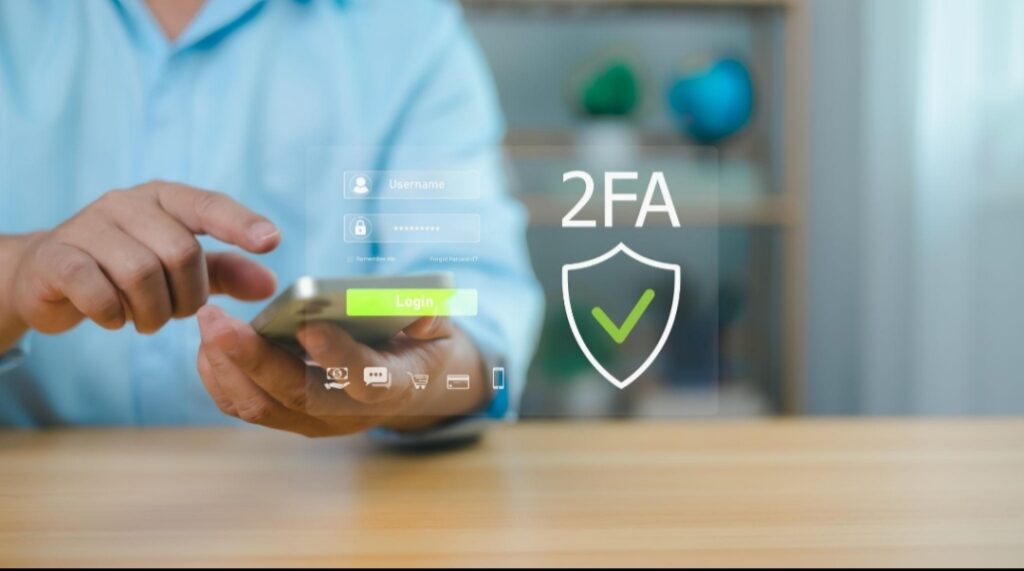
Two-factor authentication adds an extra layer of security to your online accounts. With 2FA enabled, even if someone knows your password, they will still need a second verification code sent to your phone or email.
Many platforms now offer this feature, including:
Email services
Banking apps
Social media accounts
Online shopping platforms
Using 2FA is one of the most effective ways to protect yourself when learning how to prevent online scams.
5. Verify Websites Before Making Payments
Before entering your payment details on any website, check the following:
The website address should start with https:
A padlock icon should appear in the browser
The website should look professional and trustworthy
Scammers often create fake websites that look similar to real ones. Always double-check the website address carefully before making any payment.
Growing a website safely requires good marketing strategies. Our guide on How to Promote Your Blog on Facebook explains how to get real traffic.
6. Be Careful with Links and Attachments

One of the most common ways scammers attack people is through malicious links.
These links may come through:
Email messages
SMS messages
Social media messages
Pop-up ads
If you receive a suspicious link, do not click it immediately. Instead:
Check the sender’s identity
Look for spelling mistakes in the message
Search the website name on Google to verify it
Clicking unknown links may install malware on your device or steal your information.
The National Cyber Security Centre provides helpful advice on protecting yourself from phishing and online fraud.
7. Avoid Public Wi-Fi for Sensitive Transactions

Public Wi-Fi networks in places like cafes, airports, and hotels can be unsafe. Hackers can sometimes monitor these networks to steal user data.
To stay safe:
Avoid logging into bank accounts on public Wi-Fi
Avoid entering passwords or payment details
Use a VPN if possible
Using secure internet connections is another important step in understanding how to prevent online scams.
8. Keep Your Devices Updated

Software updates often include important security patches that protect your device from cyber threats.Always update:
Your phone operating system
Your computer software
Antivirus programs
Apps and browsers
Outdated systems are easier targets for hackers.
9. Report Suspicious Activities
If you suspect a scam, report it immediately. Reporting helps prevent others from becoming victims.You can report scams to:
Your bank or payment provider
Social media platforms
Cybercrime authorities in your country
The faster scams are reported, the easier it becomes to stop criminals.
You can learn more about common online scams from the cybersecurity experts at Federal Trade Commission (FTC).
Conclusion
Learning how to prevent online scams is essential in today’s digital world. While scammers continue to develop new tricks, you can stay protected by remaining alert and following basic online safety practices.
Remember these key tips:
Never share sensitive personal information
Use strong passwords and enable two-factor authentication
Verify websites before making payments
Avoid clicking suspicious links
Keep your devices updated
By staying informed and cautious, you can safely enjoy the benefits of the internet without falling victim to online scams.
If you want to build a secure and profitable online presence, check out our guide on Best AI Tools to Make Money Online in 2026.