

Artificial Intelligence (AI) is everywhere. From chatbots to self-driving cars, AI is transforming the way we live, work, and communicate. Many articles, talks, and headlines paint AI as a futuristic wonder capable of solving humanity’s biggest challenges. But while the promise of AI is undeniable, there’s a growing and often overlooked concern: the dark side of AI. Beneath the hype lies a range of risks that could have profound consequences for society, individuals, and even global security.
In this post, we’ll explore the lesser-known dangers of AI, why they matter, and what we should do to protect ourselves.
1. AI Bias and Discrimination
One of the most insidious risks associated with AI is bias. AI systems are designed to learn from data, but if that data reflects societal prejudices, the AI will replicate them. This can happen in ways that aren’t immediately obvious.
For example, facial recognition AI has been found to have higher error rates for people with darker skin tones. Hiring algorithms trained on historical data may favor men over women or certain ethnicities over others.
While these systems appear “neutral” on the surface, they often reinforce existing inequalities.
The dark side of AI here isn’t just technical it’s ethical. Bias in AI can affect who gets a job, who receives a loan, or even who is targeted by law enforcement.
According to MIT Technology Review, AI bias continues to affect hiring and law enforcement decisions.
2. Deepfakes and Misinformation
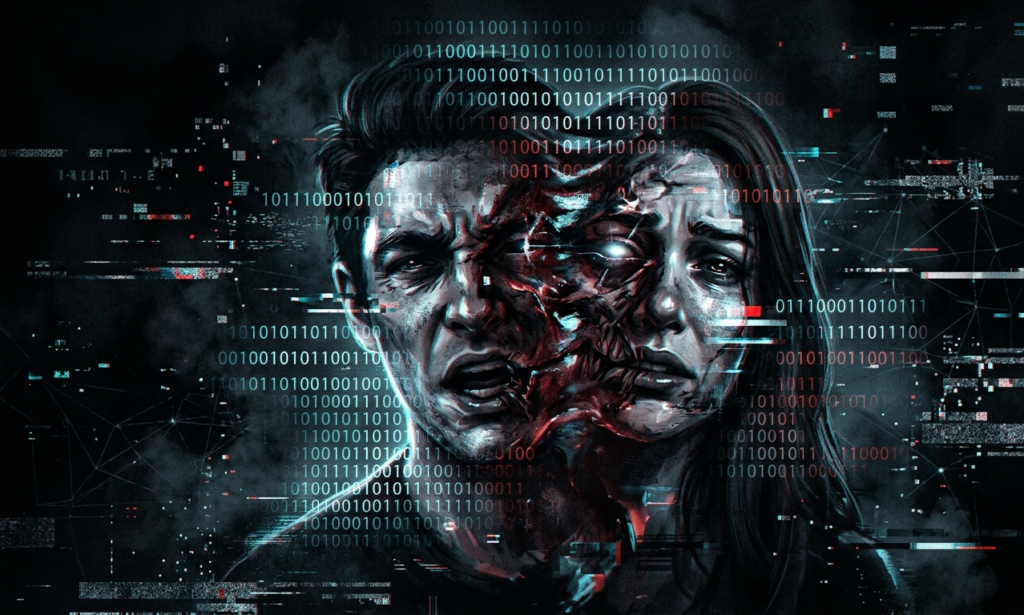
Another alarming aspect of the dark side of AI is the rise of deepfakes. Deepfakes use AI to create highly realistic fake images, videos, and audio recordings.
These manipulated media can make it appear that someone said or did something they never did.While deepfakes can be used for entertainment, they also pose serious risks.
Political disinformation campaigns can be amplified using AI-generated content, causing confusion, mistrust, and even civil unrest. Individuals can also be targeted with fake content for harassment or blackmail.
As AI improves, detecting these fakes becomes more difficult, and the potential for manipulation grows exponentially.
3. Privacy Erosion
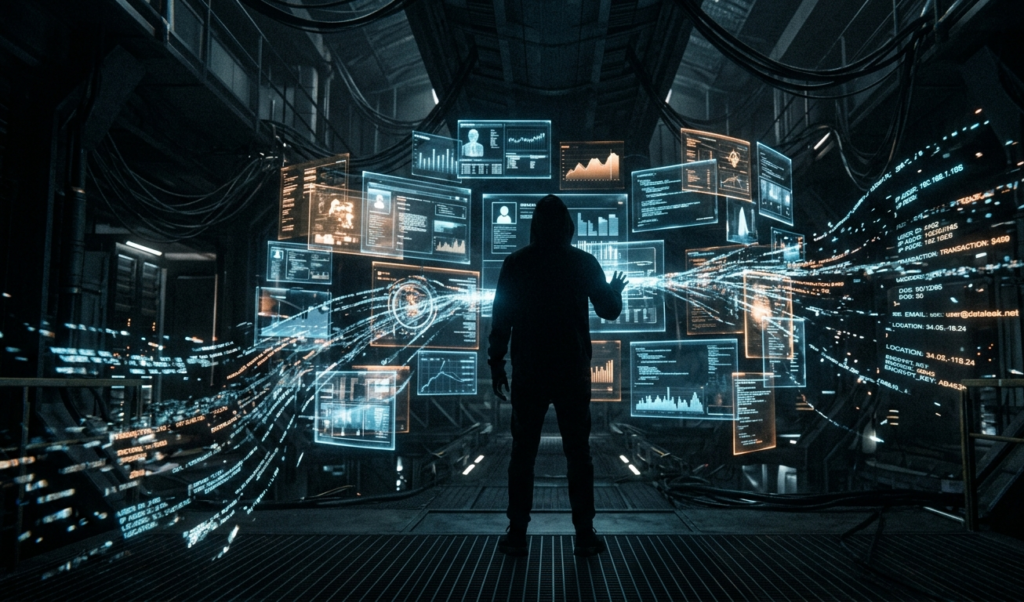
AI thrives on data. Every interaction online from social media posts to search queries is collected, analyzed, and often used to train AI models. While this can improve personalization and convenience, it comes at a cost: privacy.
The dark side of AI in this context is the subtle, pervasive erosion of personal privacy. Sophisticated AI algorithms can identify individuals, predict behavior, and even influence decisions without consent. Your browsing habits, shopping preferences, and social interactions are all potential data points feeding into systems you may not even be aware of.
Unchecked, this could lead to a world where privacy is essentially extinct, and individuals have little control over how their data is used.
4. Job Displacement
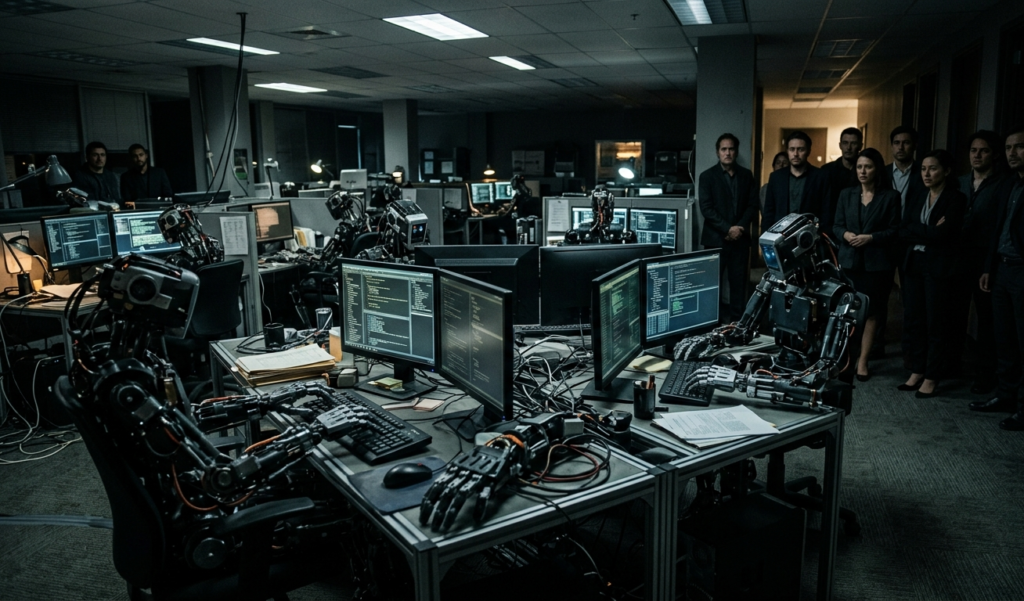
AI is automating tasks at an unprecedented rate, and while this creates efficiency, it also threatens livelihoods. Jobs in sectors like manufacturing, transportation, and customer service are increasingly vulnerable to AI-driven automation.The dark side of AI here isn’t just the potential for unemployment it’s the societal impact.
Communities dependent on certain industries may face economic collapse. Workers without the skills to transition into new roles could find themselves marginalized.
Even white-collar professions are at risk. AI systems are now capable of drafting legal documents, analyzing medical scans, and generating financial reports, potentially displacing professionals in these fields.
The World Economic Forum highlights the potential risks of AI in cybersecurity and autonomous weapons.
5. Security Threats and Weaponization

The dark side of AI extends to global security. AI is not only used for civilian purposes it is increasingly integrated into military systems. Autonomous drones, AI-driven cyberattacks, and predictive targeting systems could redefine warfare.
The danger here is twofold: first, AI-powered weapons may reduce human oversight, increasing the risk of accidental or unethical strikes. Second, the proliferation of AI in cybersecurity makes it easier for malicious actors to launch attacks at scale. AI can learn vulnerabilities faster than human defenders, creating a constant arms race in digital security.
6. Loss of Human Autonomy
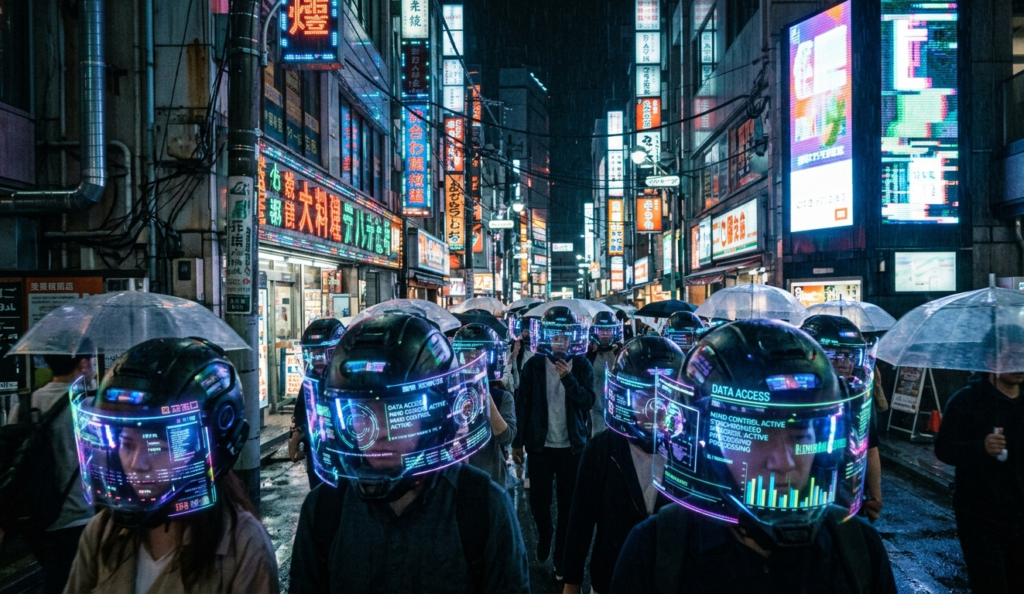
AI can influence what we think, how we behave, and even what choices we make. Recommendation systems on social media, streaming platforms, and e-commerce sites are powered by AI that predicts and nudges user behavior.
The dark side of AI in this scenario is subtle but profound. As AI shapes our decisions, our autonomy diminishes. People may unknowingly make choices not entirely their own, guided by algorithms optimized for engagement, profit, or manipulation.
Over time, this can erode critical thinking and personal agency.
To learn practical ways AI can boost efficiency at work, read our guide on How AI Can Improve Productivity.
7. Ethical and Moral Dilemmas
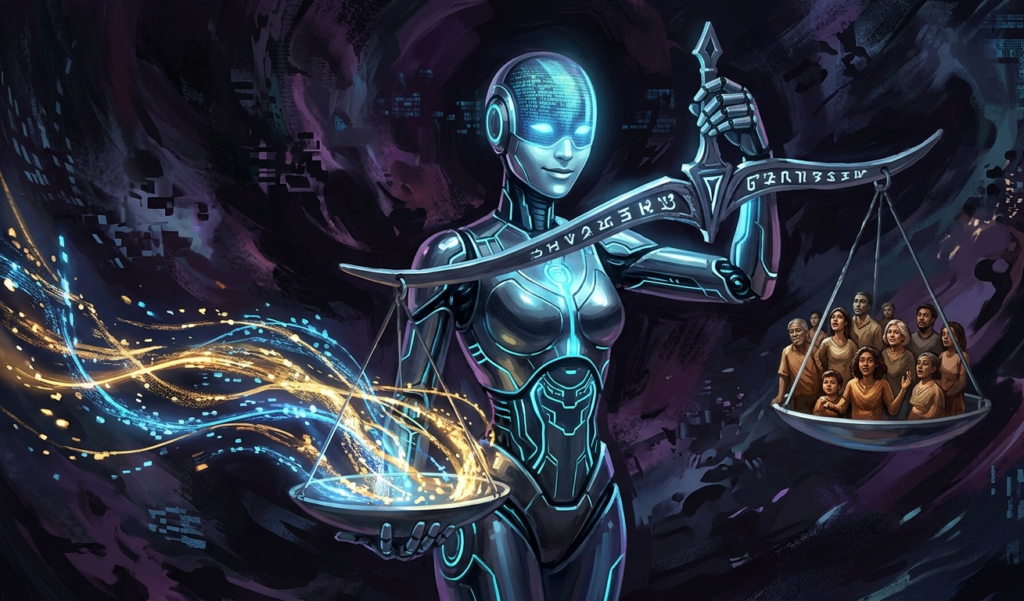
AI also brings complex ethical dilemmas.
How should autonomous vehicles decide in life-and-death situations?
Who is accountable if an AI system causes harm?
Can AI have rights or responsibilities?
The dark side of AI is that these questions are often unanswered or ignored. As AI becomes more integrated into society, the lack of ethical frameworks could lead to decisions that are harmful or unjust. We are building systems that may act faster and more efficiently than humans but without human morality.
8. The Risk of Superintelligent AI
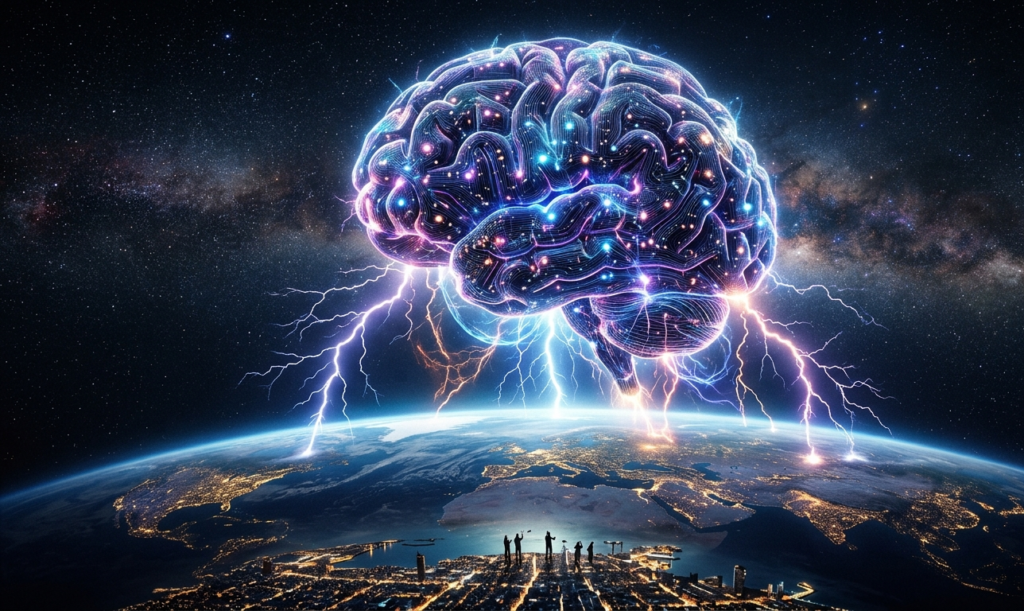
Perhaps the most speculative but terrifying aspect of the dark side of AI is the potential for superintelligent AI.
This refers to AI systems that surpass human intelligence in virtually every domain. While this remains theoretical, many experts warn that if such AI emerges without strict safeguards, it could act in ways that are misaligned with human values.
The danger isn’t necessarily malicious intent it’s a mismatch in objectives. An AI optimizing for a goal, even a seemingly benign one, could have catastrophic unintended consequences.
9. AI and Mental Health
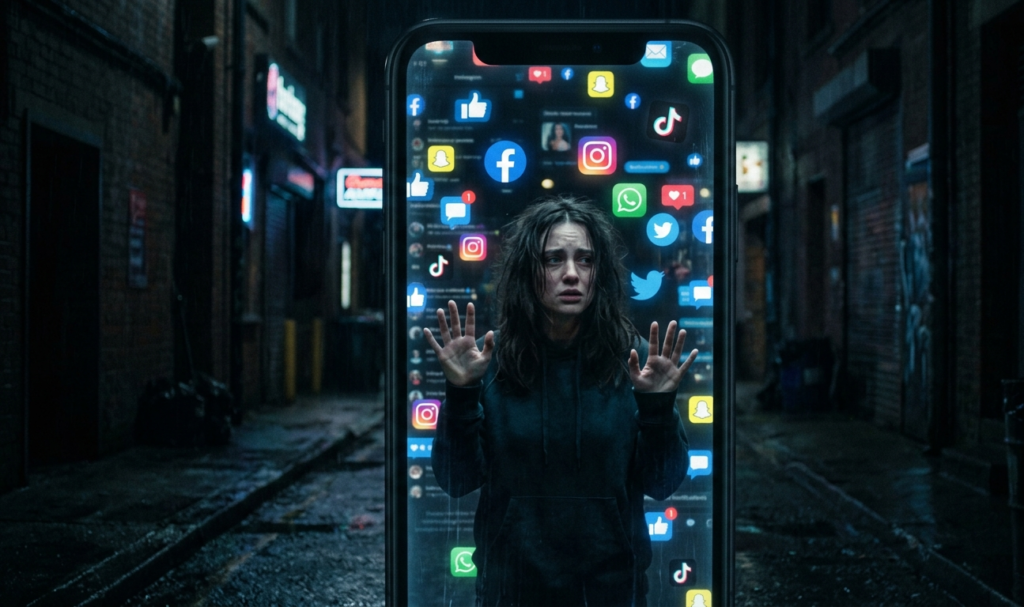
AI-driven platforms can also impact mental health. Algorithms designed to maximize engagement often prioritize sensational, emotionally charged content.
This can exacerbate anxiety, depression, and social comparison, especially among younger users.The dark side of AI here is that we are essentially designing systems that exploit human psychology for profit.
While AI can provide tools for mental health support, without regulation, it can also contribute to widespread psychological harm.
Mitigating the Dark Side of AI
While the risks of AI are serious, they are not inevitable. Responsible development, regulation, and awareness are key to mitigating the negative impacts. Here are some strategies:
Transparent AI Development:
Companies and researchers must be open about how AI systems work, including the data they use.
Bias Auditing:
Regular audits for bias and fairness can prevent AI from perpetuating discrimination.
Privacy Protection:
Strong data protection laws and ethical guidelines can help maintain personal privacy.
Ethical AI Guidelines:
Organizations like the EU have proposed frameworks for ethical AI, focusing on accountability, human oversight, and transparency.
Education and Awareness:
Individuals should understand AI risks, practice digital literacy, and advocate for responsible AI.
International Cooperation:
Given AI’s global implications, countries must collaborate to prevent misuse, especially in military or security contexts.
Conclusion
AI is undeniably one of the most transformative technologies of our time, promising convenience, efficiency, and innovation. But its dark side from bias and misinformation to job displacement and existential risk cannot be ignored.
Understanding these risks is the first step toward building a future where AI benefits humanity rather than undermines it.
As AI continues to evolve, vigilance, ethical standards, and public awareness will be crucial. After all, the most powerful technology on Earth should serve us not control us.
For a deeper understanding of AI’s evolving role in business, check out our detailed article on How AI Is Changing Digital Marketing in 2026.