

- Want to Make Money Online? Try This Proven Method - August 20, 2026
- The Best Way to Turn Your Dreams Into Reality - July 18, 2026
- The One Thing Poor People Must Understand to Change Their Lives - July 15, 2026
Curiosity often leads people to click, sign up, download, or share without thinking twice especially online.
It starts with something simple: an “urgent message,” a “free offer,” or a link that looks completely normal.
That same curiosity once led Chioma, a young business owner who handled most of her work on her phone, to click a message that looked like it came from her bank.
Within minutes, she realized something felt wrong,her account had been accessed without her permission.
What seemed like a harmless click quickly turned into a stressful lesson about how easily cybercriminals take advantage of human curiosity.
In today’s digital world, where almost everything happens online, understanding basic cybersecurity tips is no longer optional,it’s essential for protecting your personal information, finances, and peace of mind.

In today’s digital world, protecting your personal information online is more important than ever. With the growing number of online scams, hacking attempts, and identity theft cases, understanding cybersecurity tips everyone should know can help individuals stay safe while using the internet.
Whether you use the internet for social media, online banking, or running a website, learning cybersecurity tips everyone should know will help you protect your data and devices from cyber threats.
Why Cybersecurity Matters Today
The internet has made life easier in many ways, but it has also created opportunities for cybercriminals. Hackers constantly search for weak systems and careless users to exploit.
This is why understanding cybersecurity tips is essential for anyone who uses digital devices.From smartphones to laptops and even smart home devices, everything connected to the internet can become a target for cyber attacks.
By applying cybersecurity tips you can greatly reduce your chances of becoming a victim of cybercrime.
1. Use Strong and Unique Passwords
Using strong and unique passwords is one of the simplest but most powerful ways to protect yourself online.
Many people still make the mistake of using easy-to-guess passwords like birthdays, names, or “123456,” which makes it very easy for hackers to break into accounts.
A strong password should be long, include a mix of letters, numbers, and symbols, and avoid personal information that others can guess.
Even more importantly, each account should have a different password so if one gets compromised, the rest remain safe.
Chioma learned this the hard way when one of her weak passwords was exposed in a data breach, giving strangers access to her email and social accounts.
After that experience, she realized that taking a few extra seconds to create strong, unique passwords can save you from days or even weeks of stress and damage.
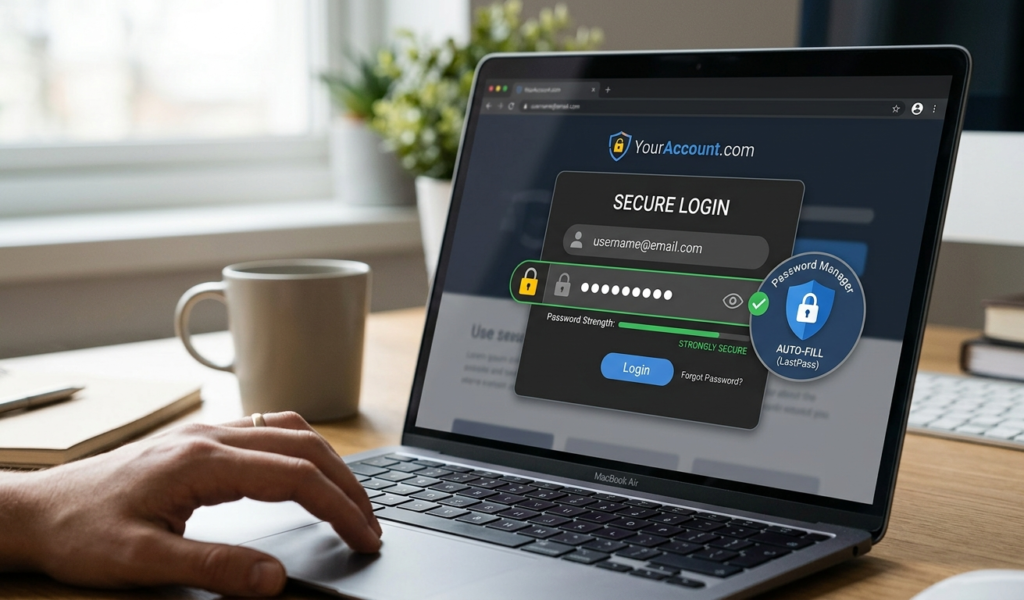
One of the most basic cybersecurity tips everyone should know is the importance of using strong passwords.
Many people still use simple passwords such as “123456” or “password,” which are very easy for hackers to guess.A strong password should include:
Uppercase and lowercase letters
Numbers
Special characters
At least 12 characters in lengthIt is also important not to use the same password for multiple accounts. Following this simple rule is one of the most effective cybersecurity tips everyone should know for protecting online accounts.
2. Enable Two-Factor Authentication
Another important step in improving online security is enabling two-factor authentication (2FA).
This security feature adds an extra layer of protection beyond just a password.
With two-factor authentication, users must verify their identity using another method such as:
A code sent to their phone
A verification app
Biometric verification like fingerprint or face recognition
Using 2FA is considered one of the most effective cybersecurity tips everyone should know because it makes it much harder for hackers to access your accounts.
You can also learn more about protecting your online accounts by visiting the Google Safety Center.
3. Keep Software and Devices Updated
Keeping your software and devices updated is one of the easiest ways to stay protected online, yet many people ignore it.
Updates are not just about new features or better performance,they often include important security patches that fix weaknesses hackers can exploit.
When Chioma first started noticing frequent “update required” notifications on her phone and laptop, she used to postpone them, thinking they were unnecessary.
However, after hearing about how cybercriminals can break into outdated systems, she realized those small updates were actually protecting her from hidden threats.
Once she began updating her devices regularly, she reduced the risk of malware, data theft, and system crashes.
In today’s digital world, staying updated is not optional,it’s a simple habit that keeps your personal information safe and your devices running smoothly.

Many cyber attacks take advantage of outdated software. Developers regularly release updates that fix security vulnerabilities.Make sure you update:
Your phone operating system
Your computer software
Web browsers
Apps and plugins
Regular updates are one of the easiest cybersecurity tips everyone should know because they help close security gaps that hackers might exploit.
4. Be Careful With Emails and Suspicious Links
Phishing attacks are very common today. In these scams, cybercriminals send fake emails that appear to come from trusted companies or people.These emails often try to trick users into clicking malicious links or revealing sensitive information. Recognizing phishing attempts is one of the most important cybersecurity tips everyone should know.
Always check the sender’s email address and avoid clicking links from unknown or suspicious sources.
5. Avoid Using Public Wi-Fi for Sensitive Activities
Public Wi-Fi networks in places like airports, cafes, and hotels can expose your data to hackers. Cybercriminals can intercept data transmitted on these networks.
To stay safe:
Avoid accessing banking accounts on public Wi-Fi
Use a VPN if possible
Turn off automatic Wi-Fi connections
Practicing safe internet connections is another important part of cybersecurity tips everyone should know.
The National Institute of Standards and Technology (NIST) recommends using long and complex passwords to improve cybersecurity.
6. Limit the Personal Information You Share Online
Many people share too much information on social media without realizing the risks. Cybercriminals can use personal information to carry out scams or identity theft.
Avoid sharing sensitive details like:
Your home address
Phone numbers
Financial detailsTravel plans
Controlling what you share online is one of the practical cybersecurity tips everyone should know for protecting personal privacy.
According to the Cybersecurity & Infrastructure Security Agency (CISA), using strong passwords and enabling two-factor authentication are essential for protecting online accounts.
7. Install Reliable Security Software
Antivirus and anti-malware software can help detect threats before they harm your device. These tools scan files, block malicious downloads, and warn users about suspicious activity.
Installing trusted security software is among the key cybersecurity tips everyone should know for maintaining device safety.
Website owners should combine cybersecurity tips everyone should know with good growth strategies such as microblogging to grow your website traffic.
8. Backup Important Data
Losing important files can be devastating, especially for business owners or website operators. Data can be lost through cyber attacks, accidental deletion, or hardware failure.
You can protect your data by:
Using cloud storage services
Backing up files on external drives
Setting automatic backups
Regular backups are another essential part of cybersecurity tips everyone should know because they ensure you can recover your information if something goes wrong.
9. Log Out From Shared Devices
Logging out from shared devices is a simple cybersecurity habit that many people overlook, but it can save you from serious problems.
When you stay signed in on a public or shared phone, laptop, or computer, anyone who uses that device afterward can easily access your personal accounts, messages, photos, or even banking details.
Chioma once used a cyber café computer to quickly check her email and forgot to log out, assuming nothing would happen.
Later, she discovered someone had tried accessing her account from that same device.
That experience taught her a hard lesson about digital safety. Now, she always makes sure to log out properly after using any device that is not hers.
In today’s connected world, a few seconds of caution can prevent identity theft, privacy breaches, and unnecessary stress.

If you use a public or shared computer, always log out from your accounts after use. Forgetting to log out could allow someone else to access your personal information.This simple habit is often overlooked, yet it remains one of the practical cybersecurity tips everyone should know for protecting online accounts.
Common Mistakes to Avoid in Cybersecurity
One of the most common mistakes people make in cybersecurity is being careless with their personal information online.
Many users reuse weak passwords, click on suspicious links, or ignore security warnings without thinking about the risks.
Another big mistake is staying logged in on shared or public devices, which can easily expose private accounts to strangers.
Some people also delay software updates, not realizing that these updates often fix serious security flaws that hackers can exploit.
Chioma learned through experience that even small habits like ignoring update notifications or trusting unknown messages can lead to serious consequences.
Avoiding these mistakes requires awareness and discipline, but it greatly reduces the chances of becoming a victim of cyber threats.
Conclusion
In a world where digital threats continue to grow, understanding cybersecurity tips everyone should know is essential for protecting your personal information, finances, and online identity. Simple actions such as using strong passwords, enabling two-factor authentication, avoiding suspicious links, and keeping your devices updated can significantly reduce your risk of cyber attacks.
By applying these cybersecurity tips everyone should know, you can enjoy the benefits of the internet while keeping your digital life safe and secure.
Cybersecurity is not only the responsibility of companies or experts,it is something every internet user should practice daily.
If you’re active on social media, learning cybersecurity is just as important as understanding the Best Ways to Grow on Instagram, because protecting your account ensures your hard work and audience don’t get lost to hackers.
