

- Want to Make Money Online? Try This Proven Method - August 20, 2026
- The Best Way to Turn Your Dreams Into Reality - July 18, 2026
- The One Thing Poor People Must Understand to Change Their Lives - July 15, 2026
A few years ago, one of my friend named David was excited about the opportunities the internet offered. He used online banking, shopped on e-commerce websites, and even looked for ways to earn extra income online.
One morning, he received an email that appeared to be from his bank.
The message looked completely genuine, featuring the bank’s logo, official colors, and professional language.
It warned him that suspicious activity had been detected on his account and that he needed to verify his information immediately to avoid having his account suspended.
Concerned about losing access to his money, David clicked the link provided in the email. The website he was taken to looked identical to his bank’s official website.
Without suspecting anything was wrong, he entered his username, password, and other personal details.
A few hours later, he received notifications of transactions he had never authorized. By the time he contacted his bank, scammers had already gained access to his account and stolen a significant amount of money.
Sadly, David’s experience is not unique.
Every day, millions of people around the world receive fake emails, deceptive text messages, fraudulent phone calls, and misleading social media offers designed to trick them into revealing sensitive information or sending money.
As technology continues to evolve, scammers are finding new and creative ways to target unsuspecting victims.
They often prey on fear, urgency, curiosity, or the promise of easy rewards to get people to act without thinking carefully.
The internet has made our lives more convenient in countless ways, but it has also created opportunities for cybercriminals to exploit those who are unaware of the risks.
Whether you are shopping online, using social media, searching for jobs, investing money, or simply browsing the web, understanding how online scams work is essential for protecting yourself and your finances.
The good news is that most scams follow predictable patterns, and once you know the warning signs, you can significantly reduce your chances of becoming a victim.
In this article, we will explore practical and effective strategies to help you recognize, avoid, and prevent online scams so you can enjoy the benefits of the digital world with greater confidence and security.
One small click can change everything.
It always starts harmlessly,a message that looks official, a promise that feels like hope, or an offer that seems like the answer to a long-standing struggle.
In that moment, when life is already heavy with pressure, it becomes easy to believe what the heart wants instead of what the eyes should question.
That was how a young student lost everything she had saved for months,money meant for survival, gone within minutes after trusting a link that looked legitimate.
At first, she thought it was a system error, something that would fix itself. But as the minutes turned into panic and silence, the truth became unbearable:
it was a scam, carefully designed to feel real. No warning came in time, no undo button existed just regret, shock, and a painful lesson about how dangerous the online world can be when trust is given too quickly.
For anyone trying to grow online safely and consistently, how to stay consistent online even when you feel like quitting pairs well with how to avoid becoming a victim of online scams to balance growth with online safety.
Things That Make You an Easy Target for Scammers
Scammers don’t choose their victims randomly; they often look for certain behaviors that make people more vulnerable. One of the biggest factors is a lack of awareness, especially when users are unfamiliar with how online scams operate.
People who tend to trust messages or offers without verification are also more likely to be targeted.
Emotional states such as fear, excitement, or financial pressure can further cloud judgment and lead to quick, unplanned decisions.
In addition, oversharing personal information on social media can give scammers the details they need to craft convincing messages.
By staying cautious, questioning unexpected requests, and limiting the amount of personal information you share online, you can significantly reduce your risk of becoming an easy target.
Signs You’re Dealing With a Scammer
Scammers often give themselves away through patterns of behavior that don’t quite feel right, even if everything looks convincing on the surface.
One clear sign is when someone pressures you to act immediately without giving you time to think or verify their claims.
Another warning sign is inconsistent information such as conflicting details about a company, payment process, or identity. Scammers also tend to avoid proper verification methods, instead pushing you to communicate through private messages or unofficial channels.
You may also notice requests for sensitive information like passwords, OTP codes, or banking details, which legitimate organizations will never ask for. Paying attention to these signs can help you step back in time and avoid falling into a scammer’s trap.
Before starting your journey, it’s important to read things you must set up before starting any online business alongside how to avoid becoming a victim of online scams so you can build a strong foundation while also staying protected from fraud.
1. Learn to Recognize Common Online Scams
Learning to recognize common online scams is one of the most powerful ways to protect yourself in today’s digital world.
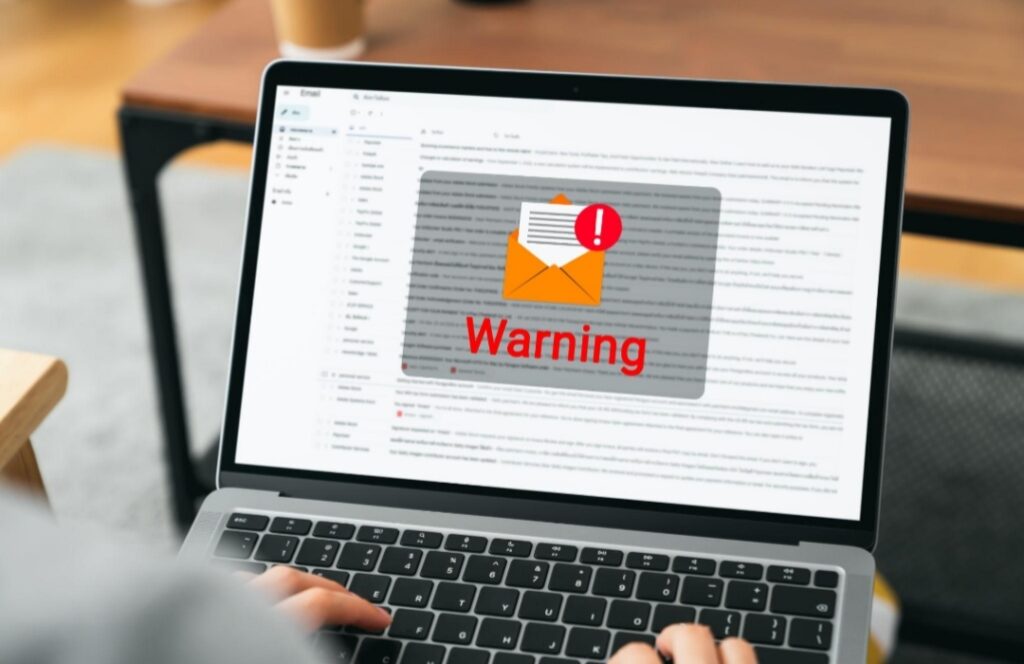
Scammers often use similar tricks again and again,fake “you’ve won” messages, urgent warnings that your account will be blocked, unrealistic job offers, or links that look official but lead to fake pages designed to steal your information.
Many times, they create a sense of pressure so you act quickly without thinking, because they know hesitation exposes their lies.
If a message feels too good to be true, asks for sensitive details like passwords or bank information, or pushes you to “act now or lose everything,” it is often a red flag.
The more you learn these patterns, the harder it becomes for scammers to trick you, and the safer your digital life becomes.
The first step in learning how to prevent online scams is understanding the common types of scams used by criminals. Some of the most common ones include:
Phishing emails that pretend to come from banks or popular companies.
Fake online stores that collect money but never deliver products.
Investment scams promising extremely high profits.
Romance scams where scammers build relationships to request money.
Fake job offers asking for registration or training fees.
If something online seems too good to be true, it probably is. Always research before trusting any online offer.
2. Never Share Personal Information Online
Never share personal information online without thinking twice, because once it leaves your hands, you may never get it back. Details like your passwords, bank information, OTP codes, ID numbers, or even private conversations can be used against you by scammers who are always looking for an opening.
They often pretend to be trusted companies, friends, or even support agents just to convince you to reveal what they need.
In reality, no genuine organization will ask for sensitive information through random messages, calls, or suspicious links.
The moment you start treating your personal data like something valuable and private, you reduce your chances of becoming a victim.
Protecting your information is not just caution,it is self-defense in the online world.
One of the most important rules when learning how to prevent online scams is to protect your personal information.Scammers often ask for sensitive details such as:
Bank account numbers
ATM card details
Passwords
One-time passwords (OTP)
National ID or personal documents
Legitimate companies will never ask for sensitive information through email, text messages, or social media. If someone requests these details, it is most likely a scam.
3. Use Strong and Unique Passwords
Using strong and unique passwords is one of the simplest yet most powerful ways to protect yourself online.
Many people make the mistake of using easy-to-guess passwords like names, birthdays, or the same password across multiple accounts, which makes it easier for hackers to break in once one account is exposed.
A strong password should be long, include a mix of letters, numbers, and symbols, and avoid anything that can be easily connected to you personally.
Even more importantly, each account should have its own unique password so that if one gets compromised, the rest remain safe.
It may feel difficult to remember at first, but using a password manager or creating memorable patterns can help. In a digital world full of risks, a strong password is like a locked door that keeps your personal life safe from intruders.
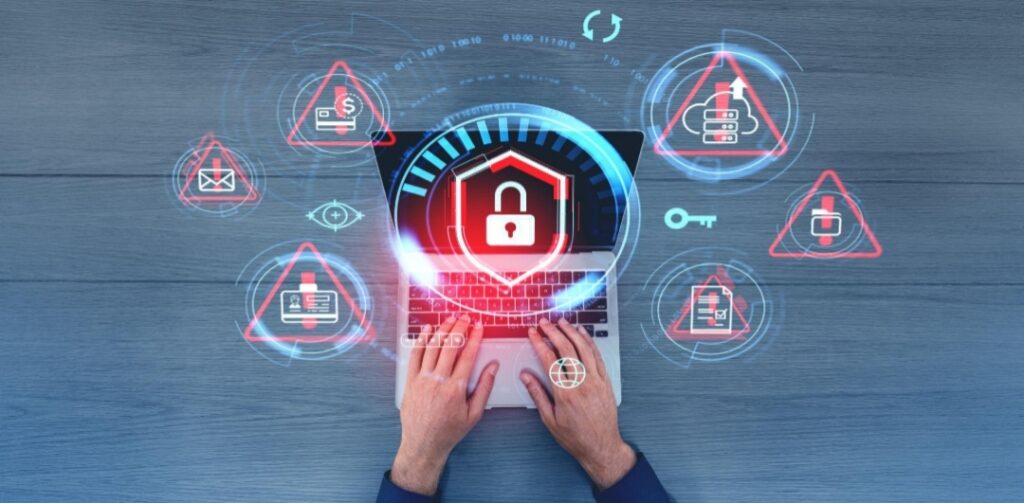
Weak passwords make it easy for hackers to access your accounts. To prevent this, always create strong passwords that include:
Uppercase and lowercase letters
Numbers
Special characters
For example:
T3ch!Safe2026#
Avoid using simple passwords like 123456, password, or your name.
Also, never use the same password for multiple accounts. If one account gets hacked, others may also become vulnerable.
4. Enable Two-Factor Authentication (2FA)
One of the most effective ways to protect your online accounts from scammers is to enable Two-Factor Authentication (2FA).
This security feature adds an extra layer of protection by requiring a second form of verification in addition to your password.
Even if a cybercriminal manages to steal or guess your password, they will still need access to the second verification method, such as a code sent to your phone, an authentication app, or a biometric scan.
Many popular platforms, including email services, social media networks, and online banking apps, offer 2FA as a free security option.
Taking a few minutes to enable this feature can significantly reduce the risk of unauthorized access to your accounts and help keep your personal information, finances, and digital identity safe from online scammers.
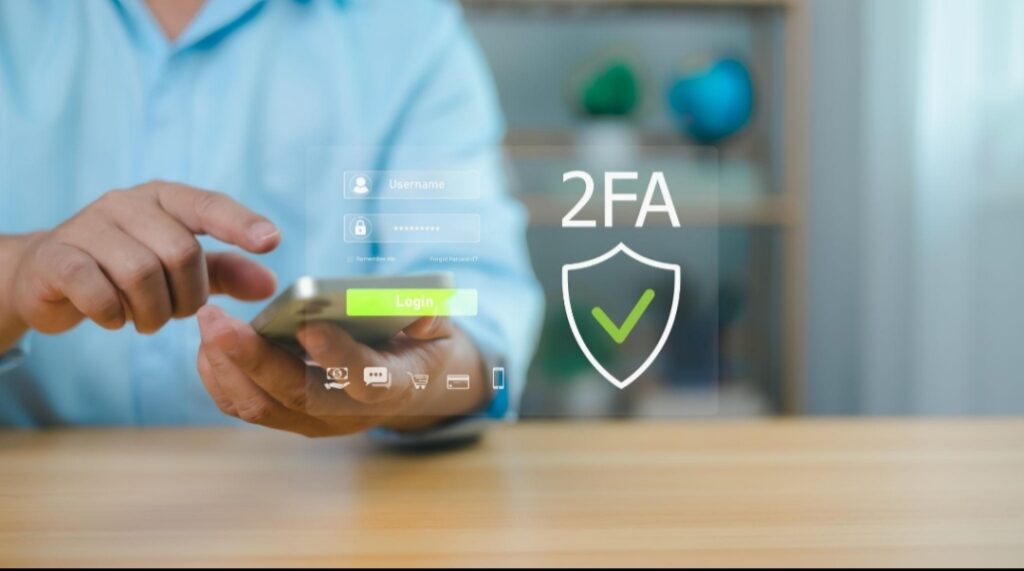
Two-factor authentication adds an extra layer of security to your online accounts. With 2FA enabled, even if someone knows your password, they will still need a second verification code sent to your phone or email.
Many platforms now offer this feature, including:
Email services
Banking apps
Social media accounts
Online shopping platforms
Using 2FA is one of the most effective ways to protect yourself when learning how to prevent online scams.
5. Verify Websites Before Making Payments
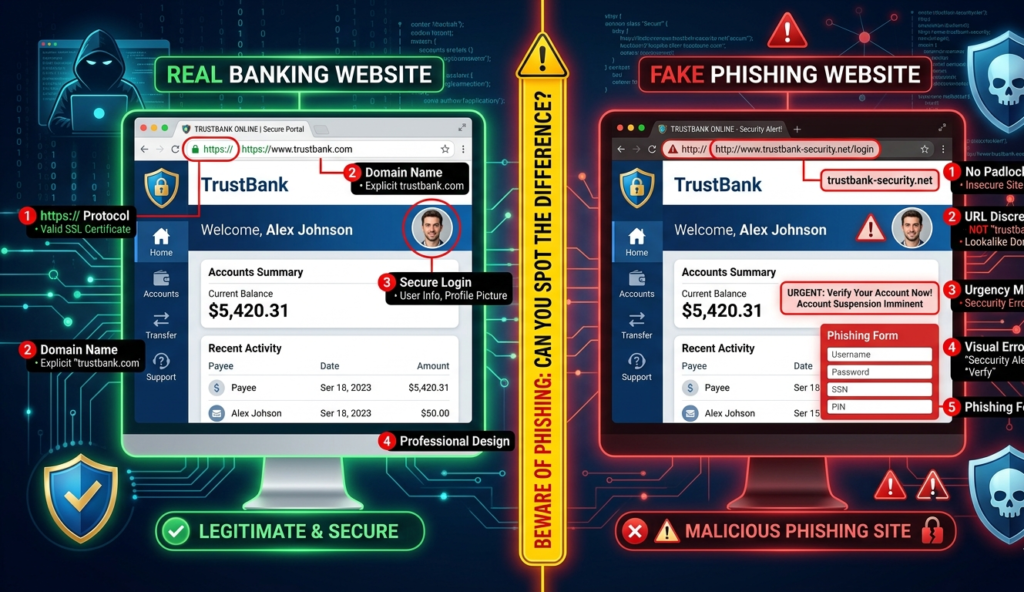
Before making any online payment, it is important to always verify the website carefully, because scammers often create fake pages that look almost identical to real ones.
These fraudulent sites may copy logos, colors, and layouts of trusted companies just to trick you into entering your card details or making a transfer.
One small mistake, like ignoring a misspelled web address or a missing security lock icon (https), can lead to losing your money instantly.
Always take a moment to check the website link, confirm it is official, and avoid clicking payment links sent through unknown messages or emails.
When in doubt, go directly to the official website instead of using shared links. Being cautious before paying online can save you from regret and financial loss.
Before entering your payment details on any website, check the following:
The website address should start with https:
A padlock icon should appear in the browser
The website should look professional and trustworthy
Scammers often create fake websites that look similar to real ones. Always double-check the website address carefully before making any payment.
6. Be Careful with Links and Attachments
Scammers often rely on curiosity, fear, or excitement to convince people to click links or open attachments without thinking twice.
You might receive a message claiming you’ve won a prize, missed an important delivery, or need to verify your account immediately.
While these messages may seem legitimate, they are often designed to lead you to fake websites or infect your device with harmful software.
Before clicking anything, take a moment to examine the message carefully. Check the sender’s email address, look for spelling mistakes, and be suspicious of unexpected files or urgent requests.
When in doubt, visit the company’s official website directly instead of using the link provided in the message. Developing this habit can go a long way in protecting you from online scams and cyber threats.
To better understand how scams begin, you can first read our article on what happens when you click a link? (behind-the-scenes internet guide) before learning how to avoid becoming a victim of online scams.
One of the most common ways scammers attack people is through malicious links.
These links may come through:
Email messages
SMS messages
Social media messages
Pop-up ads
If you receive a suspicious link, do not click it immediately. Instead:
Check the sender’s identity
Look for spelling mistakes in the message
Search the website name on Google to verify it
Clicking unknown links may install malware on your device or steal your information.
The National Cyber Security Centre provides helpful advice on protecting yourself from phishing and online fraud.
7. Avoid Public Wi-Fi for Sensitive Transactions
Avoid using public Wi-Fi for sensitive transactions because it is one of the easiest ways for cybercriminals to intercept your personal data.
Networks in places like cafés, airports, or shopping centers are often unsecured, meaning hackers can secretly monitor what you are doing online, including passwords, bank details, and login information.
Some attackers even create fake Wi-Fi hotspots with names that look legitimate just to trick people into connecting.
Once you are on such a network, anything you send or receive can be exposed without your knowledge.
A painful lesson came on a busy afternoon at a small roadside café, where a young freelancer tried to quickly transfer money to complete an urgent payment.
The Wi-Fi was free, fast, and convenient,too convenient to question.
In minutes, the transaction was done, but what followed was silence from the bank notifications that never came.
Later, the account was drained, piece by piece, while panic replaced confidence.
The money was meant for rent, carefully saved over months of hard work. Sitting there, staring at a frozen screen, the realization hit hard:
what felt like a simple connection was actually a doorway left wide open. It wasn’t just money that was lost that day, but a sense of safety in the digital world.

Public Wi-Fi networks in places like cafes, airports, and hotels can be unsafe. Hackers can sometimes monitor these networks to steal user data.
To stay safe:
Avoid logging into bank accounts on public Wi-Fi
Avoid entering passwords or payment details
Use a VPN if possible
Using secure internet connections is another important step in understanding how to prevent online scams.
8. Keep Your Devices Updated
Keeping your devices updated is one of the most important but often ignored ways to protect yourself from online threats.
Every update on your phone, laptop, or apps is not just about new features,it often includes security patches that fix hidden weaknesses hackers can exploit.
When you delay updates, you are leaving those doors open for cybercriminals to sneak in and access your personal information, messages, or even financial accounts.
Many people ignore update notifications because they are busy or think it doesn’t matter, but that small delay can create a serious risk.
Regularly updating your devices ensures you are protected with the latest security defenses, making it much harder for scammers and hackers to succeed. In the digital world, staying updated is the same as staying protected
Software updates often include important security patches that protect your device from cyber threats.Always update:
Your phone operating system
Your computer software
Antivirus programs
Apps and browsers
Outdated systems are easier targets for hackers.
9. Report Suspicious Activities
Reporting suspicious activities online is a crucial step in protecting yourself and others from scams and cybercrime.
When you notice strange messages, fake accounts, phishing links, or unusual requests for personal information, it is important not to ignore them or assume someone else will handle it.
Scammers rely on silence and inaction to continue their schemes, targeting more victims over time.
By reporting these activities to the platform, bank, or relevant authorities, you help block their access and reduce the chances of others being harmed.
It may feel like a small action, but it can make a big difference in stopping fraud before it spreads. In the online world, speaking up is not just caution,it is protection for the entire community.
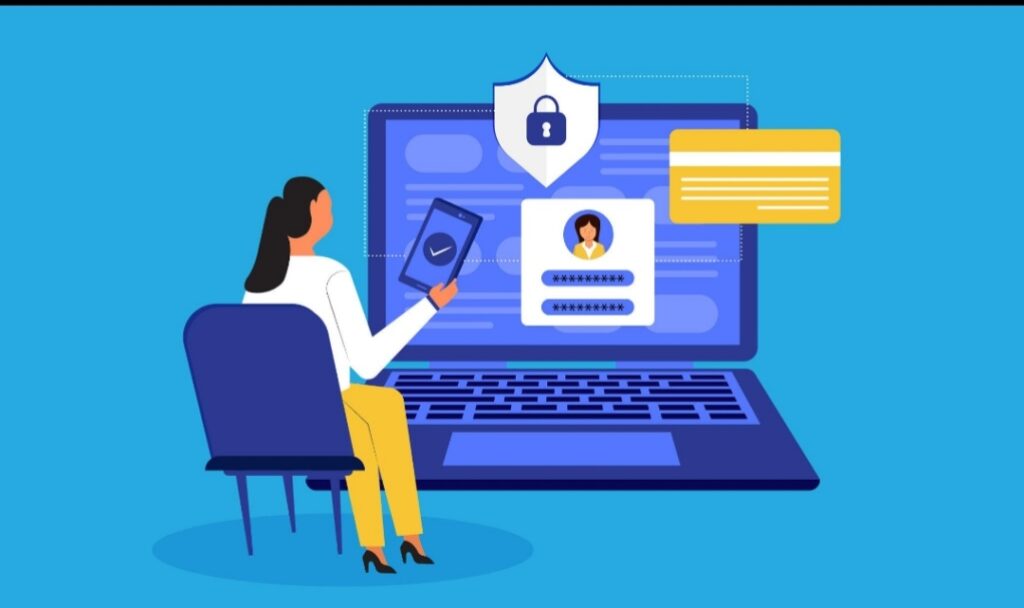
If you suspect a scam, report it immediately. Reporting helps prevent others from becoming victims.You can report scams to:
Your bank or payment provider
Social media platforms
Cybercrime authorities in your country
The faster scams are reported, the easier it becomes to stop criminals.
You can learn more about common online scams from the cybersecurity experts at Federal Trade Commission (FTC).
Red Flags You Should Never Ignore
Online scams often reveal themselves through small but important warning signs that many people overlook.
One major red flag is receiving unexpected messages that demand immediate action, especially when they threaten account suspension, financial loss, or legal consequences.
Poor spelling, unusual email addresses, and slightly altered website links are also common indicators that something is not genuine.
Another warning sign is being offered deals, prizes, or job opportunities that seem too good to be true or require you to share personal information upfront.
Legitimate companies rarely pressure users to act instantly or request sensitive details through informal channels. Learning to recognize these red flags early can help you avoid falling into traps designed to steal your information or money.
Common Mistakes to Avoid
One of the biggest mistakes people make online is acting too quickly without taking time to verify information.
Scammers often create a sense of urgency, hoping their targets will make decisions based on fear, excitement, or pressure rather than logic.
Another common mistake is assuming that scams only happen to inexperienced internet users. In reality, anyone can become a target, regardless of their age, education, or technical knowledge.
Many people also ignore warning signs because a message appears professional or comes from someone they seem to know.
Staying alert, questioning unexpected requests, and taking a few moments to investigate before responding can greatly reduce your chances of falling victim to an online scam.
Staying One Step Ahead of Scammers
Learning how to prevent online scams is essential in today’s digital world. While scammers continue to develop new tricks, you can stay protected by remaining alert and following basic online safety practices.
Remember these key tips:
Never share sensitive personal information
Use strong passwords and enable two-factor authentication
Verify websites before making payments
Avoid clicking suspicious links
Keep your devices updated
By staying informed and cautious, you can safely enjoy the benefits of the internet without falling victim to online scams.
To start earning safely online, you can read proven ways to turn simple skills into daily cash together with how to avoid becoming a victim of online scams so you can learn how to make money while also protecting yourself from fraud.
