

- Want to Make Money Online? Try This Proven Method - August 20, 2026
- The Best Way to Turn Your Dreams Into Reality - July 18, 2026
- The One Thing Poor People Must Understand to Change Their Lives - July 15, 2026
Late nights often end the same way,phone in hand, staring at blog posts that look perfect on the outside but feel far away from my own reality.
The writing is there, the effort is there, but the results are missing. No traffic. No engagement. Just silence after publishing.
It starts to feel discouraging when you keep posting and nothing seems to move. You begin to wonder if blogging is only for people who already “know the secret,” while you’re just guessing your way through every article.
Even when the ideas are good, they don’t show up anywhere on Google, and it feels like the internet is ignoring your work completely.
The turning point comes when it becomes clear that writing online isn’t only about sounding good,it’s about being discoverable.
That’s where SEO blog writing changes everything.
It’s the difference between writing that disappears and writing that actually gets found, read, and shared.And that’s exactly what learning how to write SEO blog posts is about turning effort into visibility and silence into traffic.

Writing blog content that ranks on search engines requires more than just good writing. If you want your articles to appear on Google and attract visitors, you need to write SEO blog post content that is optimized for search engines while still being helpful for readers.
In this guide, you will learn how to write SEO blog posts step-by-step so your content can rank higher, get more traffic, and grow your website.
What Does It Mean to Write SEO Blog Post Content?
To write SEO blog post content means creating articles that are optimized so search engines can easily understand and rank them. This involves using the right keywords, proper formatting, internal and external links, and writing helpful information for readers.
Search engines like Google analyze your blog to determine whether it answers users’ questions. If your content is useful and optimized, it has a better chance of appearing in search results.
When you write SEO blog post content correctly, you increase your chances of:
Ranking higher in search engines
Getting more organic traffic
Building authority in your niche
Growing your website audience
1. Start With Keyword Research
Every strong SEO blog post begins with keyword research because it helps you understand exactly what people are searching for before you even start writing.
Instead of guessing topics or hoping your content gets noticed, keyword research guides you to real search terms your audience is already typing into Google.
It reveals what problems people want solved, how they phrase their questions, and which topics have the highest chance of bringing traffic.
When you start with keywords, you’re not just writing randomly,you’re creating content with purpose, direction, and visibility in mind.
The first step to write SEO blog post content is finding the right keyword.A keyword is the phrase people type into search engines.
In this case, the focus keyword is write SEO blog post.You can find keywords using tools such as:
Google Keyword Planner
Ubersuggest
Ahrefs
Choose keywords that:
Have good search volume
Have low or medium competition
Match your blog topic
Once you select your keyword, use it naturally throughout the article.
2. Create a Clear SEO-Friendly Title
Your title is one of the most important parts when you write SEO blog post content.
A good SEO title should:
Include the focus keyword
Be clear and easy to understand
Encourage people to click
Example titles:
How to Write SEO Blog Posts That Rank on Google
Beginner Guide:
How to Write SEO Blog Post ContentStep-by-Step Guide to Write SEO Blog Post Articles
3. Use the Keyword in Important Places
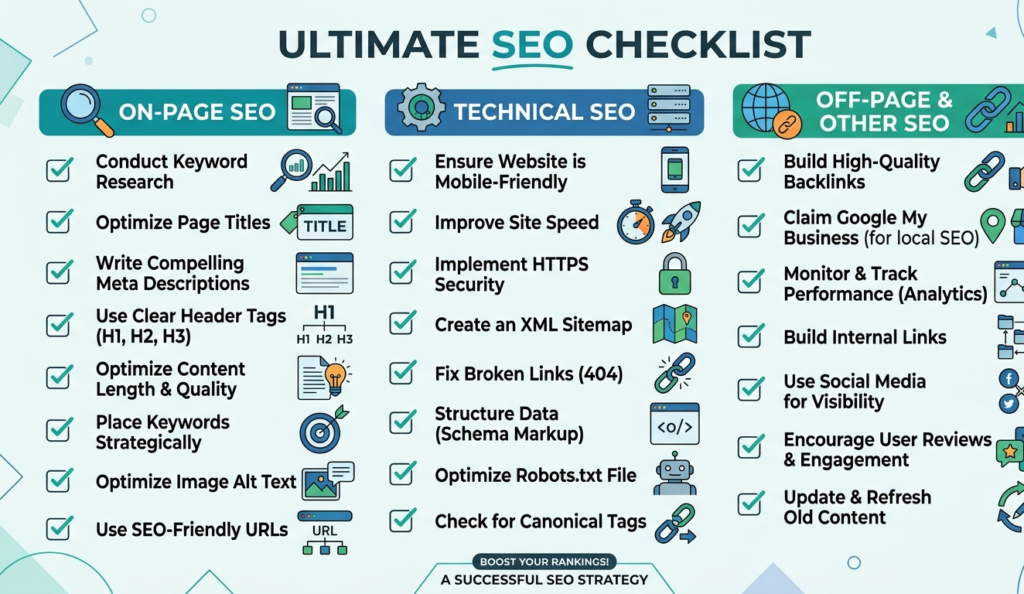
When you write SEO blog post content, search engines check specific areas of the article for keywords.Make sure your keyword appears in:
The title
The first paragraph
Headings (H2 or H3)
Image alt text
Meta description
Throughout the article naturally
However, avoid keyword stuffing. Use the keyword naturally so the article still reads smoothly.
4. Write High-Quality Content
There are days when a student sits down with so much hope, ready to write something meaningful, but after hours of trying, the words still don’t feel “good enough.
It can be frustrating when you compare your work to others and feel like yours doesn’t stand out. But writing high-quality content is not about being perfect,it’s about being real, helpful, and clear.
It’s about taking your time to explain things in a way that someone else can actually understand, even if you’re still learning too.
Every strong blog post starts from that same place of struggle, where you’re unsure but still trying. And slowly, with patience and consistency, those simple efforts begin to turn into content that people trust, read, and come back to.
Search engines prioritize useful content. When you write SEO blog post content, focus on helping your readers solve a problem.
Good SEO content should be:
Informative
Easy to read
Well organized
Helpful and actionable
Use short paragraphs, bullet points, and headings to improve readability.
For example, instead of writing long blocks of text, break information into sections.
According to Google, helpful and people-first content is one of the most important ranking factors for websites.
5. Use Headings to Organize Your Content
Sometimes a blogger has so many ideas in their head, but when they finally start writing, everything comes out as one long, confusing block of text.
It feels overwhelming not just for the writer, but also for anyone trying to read it.
That’s where headings become a quiet but powerful rescue. They help break your thoughts into small, clear sections so your reader doesn’t get lost halfway through.
Instead of struggling to understand everything at once, they can follow your ideas step by step, like walking through a well-marked path.
For you as the writer, headings make the process easier too, because suddenly your big topic feels more organized, more manageable, and less stressful to complete

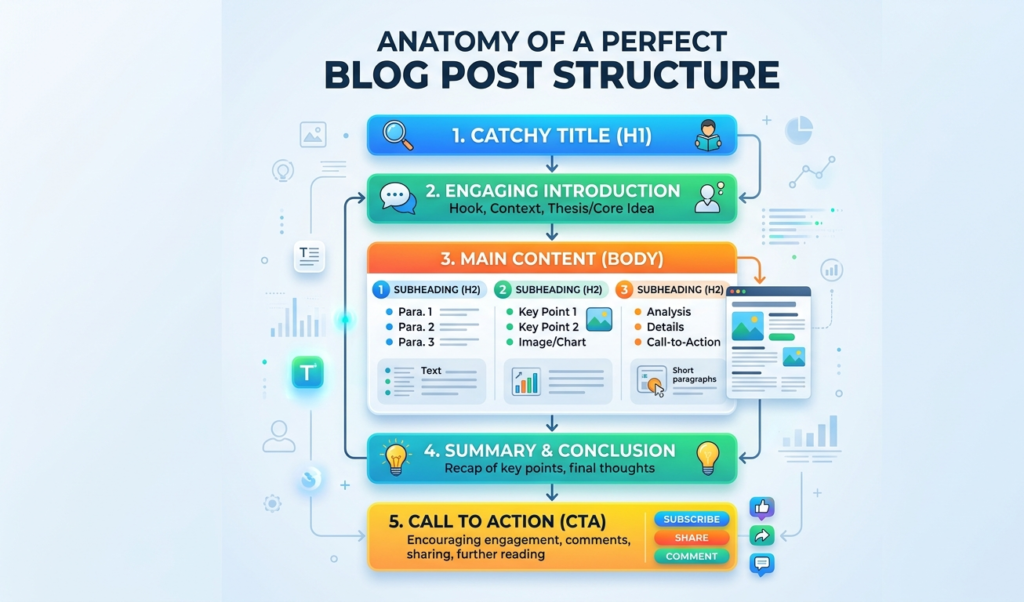
Headings help both readers and search engines understand your content.When you write SEO blog post articles, structure them like this:
H1: Blog title
H2: Main sections
H3: Subsections
Example structure:
H1: How to Write SEO Blog Posts
H2: Keyword Research
H2: Writing SEO Titles
H2: Content Optimization
This structure makes your blog easier to read and improves SEO.
6. Add Internal and External Links
Links help search engines understand your website better.
SEO experts at Ahrefs recommend using long-tail keywords to improve ranking opportunities for new websites.
7. Optimize Images for SEO
Images make blog posts more engaging.When you write SEO blog post content, optimize your images by:
Using descriptive file names
Adding alt text
Compressing images for faster loading
Example:
Image file name:
write-seo-blog-post-guide.jpg
Alt text:
write SEO blog post step by step guide
Yes, you can include .jpg in the file name, but not in the alt text.
Writing optimized content also helps protect your website, so read our article on cybersecurity tips everyone should know to keep your site safe.
8. Write a Strong Meta Description

A meta description is the short summary that appears on search results.
Example:
Meta description:Learn how to write SEO blog post content that ranks on Google. This beginner-friendly guide explains keyword research, optimization tips, and blogging strategies.
Keep it around 150–160 characters.
9. Make Your Content Easy to Read
Readability is important when you write SEO blog post articles.
Tips to improve readability:
Use short sentences
Use simple language
Break text into paragraphs
Use bullet points
This keeps readers engaged and reduces bounce rate.
10. Update Your Blog Posts Regularly

SEO is not a one-time task. After you write SEO blog post content, revisit it occasionally to:
Add new information
Update outdated links
Improve SEO optimization
Fresh content helps maintain your rankings.
Common Mistakes to Avoid When Writing SEO Blog Posts
One of the most common mistakes students make when writing SEO blog posts is focusing only on writing for search engines and forgetting the real reader behind the screen.
In the rush to include keywords, many people end up forcing them into sentences or writing content that feels unnatural and hard to read.
Others also make the mistake of publishing without proper structure, no headings, and no clear flow, which makes the post look messy and uninviting.
Another big error is giving up too early, expecting results immediately after posting just one or two articles. SEO takes time, and without patience and consistency, even good content can go unnoticed.
Frequently Asked Questions (FAQ)
When students start learning SEO blog writing, they often have a lot of questions that make the whole process feel confusing at first.
A common question is, “How many keywords should I use in one post?” or “How long should my blog post be to rank on Google?” Others wonder if they need to be perfect writers before they can start seeing results.
The truth is, SEO blogging is not about perfection,it’s about consistency, clarity, and understanding what your audience needs.
Many also ask how long it takes to see traffic, and while it can vary, what matters most is continuing to improve and not giving up too early. These questions are normal, and every successful blogger once had them too.
Conclusion
Learning how to write SEO blog post content is essential if you want your website to grow. By using the right keywords, organizing your content properly, adding links, and writing helpful information, you can create blog posts that rank well in search engines.
If you consistently write SEO blog post articles with these strategies, your website will gain more visibility, attract more readers, and build long-term organic traffic.
If you’re creating content for social media as well, check out our guide on AI tools for social media content to improve your productivity.
