
When I first started my website, I was thinking of the best way to get traffic without SEO or social media,I felt completely lost. Everyone kept talking about SEO strategies and social media marketing. I tried a few things, but honestly, I didn’t have the energy to learn algorithms, hashtags, or Google ranking tricks.
I was also hesitant to spend hours scrolling on social platforms just to promote my content. I remember sitting at my desk one evening, asking myself, “Is there another way to get people to see my content without all this?”
The good news?
There absolutely is. Over the years, I’ve discovered multiple ways to get traffic without SEO or social media, and the results have been amazing. In this post, I’m sharing exactly what worked for me, step by step, so you can do it too.
1. Leverage Email Marketing
One of the first things I tried was email marketing. I realized that people who willingly gave me their email addresses were already interested in my content. Unlike social media, where the algorithm decides who sees your posts, emails go straight to their inbox.
Here’s what I did:
I created a simple free guide called “5 Simple Ways to Save Money Every Month”.
I added a sign-up form to my website offering the guide in exchange for an email address.Each week, I sent short, helpful emails with tips and links back to my website.The first month, only 50 people signed up. But I noticed something:
every email I sent brought a steady trickle of traffic to my site. Over six months, I built a loyal audience, all without touching social media or worrying about SEO.
Pro tip:
Focus on value, not promotion. People open emails when they trust that you’re giving them something useful.
2. Guest Posting on Relevant Websites
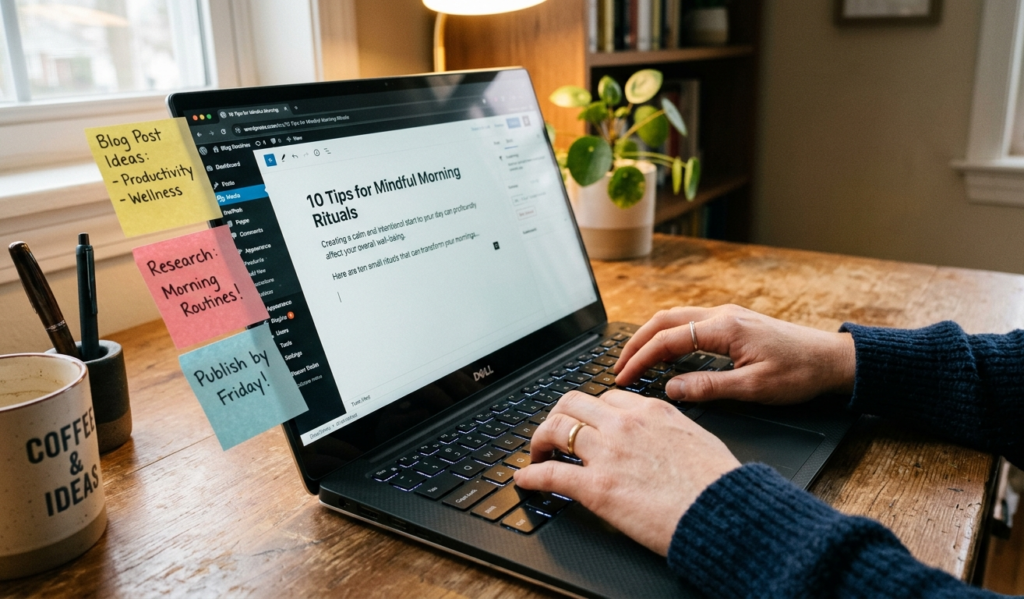
Early on, I realized I didn’t have to start from scratch. There were already websites in my niche with established audiences. I began reaching out to them to write guest posts.
I pitched ideas that I knew would help their readers. For example, I wrote an article on “How to Budget as a Freelancer” for a personal finance blog. At the end, I included a subtle link to my website for readers who wanted a full budgeting toolkit.
The results?
Traffic to my site spiked the week the article went live. Not only that, I gained credibility.
People started recognizing my name in the niche, which led to more opportunities to guest post elsewhere.
3. Engage in Online Communities and Forums
I discovered that online communities like Quora and Reddit are goldmines for traffic. I started answering questions related to my niche. One of my favorites was a Quora question: “How can I save money while working freelance?”
I gave a detailed, honest answer, and included a link to my budgeting guide. Within days, dozens of people visited my website directly from that answer. Weeks later, some of those visitors became regular subscribers.
The key is consistency. By participating regularly and providing real value, you don’t just drive traffic,you build a reputation as someone who actually knows their stuff.
You can find amazing tips for online communities and Q&A engagement on Quora
4. Networking and Partnerships

Another approach that surprised me was networking. I started reaching out to other bloggers and small business owners in my niche. Some of them agreed to collaborate on webinars, while others co-authored guides with me.
One memorable partnership was with a freelance coach who had a small but highly engaged audience.
We created a free webinar called “Master Your Freelance Budget in 7 Days.” Both of us promoted it to our email lists, and the traffic to my website skyrocketed overnight.
Partnerships like this are a win-win. You share your expertise, gain exposure, and get traffic from someone else’s audience without spending money on ads or social media campaigns.
5. Use Your Email Signature and Offline Promotion
This might sound too simple, but it works. Every email I sent after that included a line in my signature:”Check out my free budgeting guide at
.”I also started including my website link on business cards and in brochures when I attended local events. It’s amazing how many people visited my site just because they saw the link somewhere they trusted.
Offline promotion isn’t flashy, but it’s effective and underutilized.
6. Podcast Guesting
I once got invited to be a guest on a small finance podcast. Initially, I thought it wouldn’t matter, since the audience was tiny. But the host shared my free guide during the episode, and the traffic from listeners was immediate.Podcasts are powerful because listeners trust the host.
When they hear a recommendation from someone they already follow, they are much more likely to check out your website.
7. Publish Free Tools or Resources
After seeing success with email and guest posts, I decided to create a small free tool: a budget spreadsheet. I made it downloadable directly from my website.The result? People loved it. Many shared it with friends, and I saw a viral effect without touching social media.
People came back for more resources, and I even started collecting emails from users who downloaded it.Free resources aren’t just traffic magnets,they also establish your authority in your niche.
8. Content Syndication

I also experimented with content syndication. I republished some of my blog posts on Medium and LinkedIn. This didn’t replace my website; instead, it acted as a funnel.
I noticed that readers from Medium and LinkedIn often clicked through to my site for the full guide or downloadable resources. Syndication works because it taps into existing audiences who are already interested in content like yours.
9. Run Contests and Giveaways
One time, I ran a small giveaway: a $50 Amazon gift card for anyone who signed up for my newsletter. I didn’t post about it on social media; instead, I promoted it in email, guest posts, and forums.
The result?
My subscriber list grew, and traffic increased significantly. Contests and giveaways work because they give people an immediate incentive to visit your website.
10. Press Releases and Media Outreach
I also tried sending press releases to niche blogs and online magazines whenever I launched a new resource or guide. For example, when I released my
“Freelancer Budget Toolkit,” a few blogs picked up the story.
The traffic spike wasn’t massive, but it was high-quality people who were genuinely interested in my content. Over time, these small efforts added up.
11. Interactive Content
Quizzes and assessments are surprisingly effective. I created a short quiz called “What’s Your Freelance Money Personality?” Visitors had to go to my website to get the results.
The quiz was fun, shareable, and highly engaging. People even emailed me asking for personalized advice, which led to further traffic and repeat visits.
12. Referral Programs
I also implemented a referral system. Visitors who shared my budgeting toolkit with friends earned free access to advanced templates. This created a word-of-mouth loop, generating traffic from people I had never reached directly.
13. Offline Events and Workshops
I held a free workshop at a local library on “How to Budget for Freelancers.” Every attendee received a flyer with my website link to download additional resources. Many attendees later revisited my website to explore more content, proving that offline engagement can drive online traffic too.
14. Listings and Directories
Finally, I submitted my site to freelance and personal finance directories. This brought steady traffic from people actively looking for budgeting resources. It’s often overlooked, but directories are still a viable traffic source for niche audiences.
My Takeaway:
Consistency Over Hype
Over time, these strategies collectively brought in thousands of visitors to my site all without SEO or social media.
The real secret?
Consistency and providing genuine value. Every guest post, email, quiz, and partnership contributed a small piece of the puzzle, and together, they formed a traffic machine that didn’t rely on algorithms or trends.
If there’s one lesson I’ve learned, it’s this:
you don’t need to be everywhere online to get noticed. You just need to be where your audience is, provide value, and make it easy for them to find you.
One of the most common mistakes people make when trying to get traffic without SEO or social media is focusing too much on quantity over quality.
Many try to participate in every forum, submit endless guest posts, or create multiple free tools at once, hoping to see instant results. The problem is that spreading yourself too thin often leads to shallow content, inconsistent messaging, and low engagement.
Traffic generated this way may be temporary and less loyal.Instead, the key is to focus on a few strategies and execute them well. Provide real value, build genuine relationships, and ensure every piece of content or interaction has a clear purpose.
Quality connections will always drive more meaningful and lasting traffic than chasing numbers blindly.

Conclusion
Getting traffic without SEO or social media is not only possible,it can be surprisingly effective. By leveraging email marketing, guest posting, community engagement, offline efforts, tools, and partnerships, you can build a loyal audience that visits your site regularly.
Start small. Pick one or two strategies that feel natural for you, and gradually expand. Over time, these efforts add up, and your website can thrive without spending hours on social media or obsessing over SEO.
Traffic comes from real people finding real value. Focus on them, and the numbers will follow.
If you want to explore more ways to grow your website traffic organically, check out our guide on best passive income apps that actually pay in 2026