

- Want to Make Money Online? Try This Proven Method - August 20, 2026
- The Best Way to Turn Your Dreams Into Reality - July 18, 2026
- The One Thing Poor People Must Understand to Change Their Lives - July 15, 2026
When I was still in university in Minnesota, United States, I remember one particularly cold evening when I sat alone in my dorm room, watching snow slowly blanket the streets outside.
It was quiet, almost too quiet, and my mind was filled with questions about my future.
Assignments were piling up, my finances were stretched thin, and despite doing everything “right” academically, I couldn’t shake the feeling that something was missing.
Around me, a few students seemed to be living differently,they weren’t just studying, they were earning, building, and creating opportunities for themselves online.
That curiosity led me to a simple but life-changing realization: the real advantage wasn’t just in getting a degree, it was in building practical online skills that could generate value anywhere in the world.
One of my classmates stood out the most. He wasn’t the loudest or the most brilliant in lectures, but he always seemed financially comfortable.
He had the latest gadgets, never worried about basic expenses, and carried himself with a quiet confidence.
When I finally asked him what he was doing differently, his answer was straightforward,he had spent time learning and developing online skills. That conversation shifted my entire mindset.
I began to understand that while education provides knowledge, skills provide leverage, and in today’s world, that leverage often exists online. From that point forward, I started exploring practical ways students can build online skills from home, and that journey reshaped everything for me.
you can also explore practical strategies in this guide on making money online without an audience to learn how to start earning even if you don’t have followers yet

Why Students Should Focus on Online Skills
In today’s fast-changing world, relying solely on a degree is becoming increasingly risky, especially in competitive job markets where employers are not just looking for certificates but for proven ability.
Online skills offer students something far more powerful than theoretical knowledge,they provide real-world capability that can be applied immediately.
When a student develops an online skill, they are not just preparing for a job; they are creating opportunities for income, independence, and global relevance.
These skills break geographical limitations, meaning you can work with clients or companies from different parts of the world without ever leaving your room.
Beyond financial benefits, online skills also build confidence and adaptability.
When you learn how to solve problems, communicate value, and deliver results digitally, you begin to see yourself differently not just as a student, but as someone capable of creating impact.
This shift in identity is powerful. It changes how you approach challenges, how you manage your time, and how you see your future. Instead of waiting for opportunities after graduation, you begin to create them while still in school.
The skills you learn today can create opportunities tomorrow. for more inspiration, check out these simple rules changed my life and led me to success.
1. Start With a Skill That Solves a Problem
One of the most important things I learned early on is that not all skills are equal in the marketplace.
Many students make the mistake of chasing trends or trying to learn multiple things at once without direction, which often leads to confusion and burnout.
The smarter approach is to focus on skills that directly solve problems for people or businesses.
When you solve a problem, you create value, and value is what people are willing to pay for.
For example, businesses constantly need content, which makes writing a valuable skill. Brands need visual identity, which makes graphic design useful.
Content creators need editing, which makes video editing in demand. Even simple tasks like data entry or virtual assistance are valuable because they save people time.
When you shift your mindset from “what can I learn?” to “what problem can I solve?”, everything becomes clearer.
Your learning becomes more focused, your practice becomes more intentional, and your growth becomes more meaningful.
The journey to success involves more than just learning new skills. for additional guidance, take a look at life lessons i wish someone had told me in my 20s that would have shaped my mindset early enough.

2. Use Free Learning Platforms
When I started exploring online skills, I didn’t have access to expensive courses or premium tools, which initially felt like a disadvantage.
I quickly discovered that the internet is filled with free, high-quality resources that are more than enough for anyone willing to learn seriously.
Platforms like YouTube, blogs, and free courses offer step-by-step guidance on almost any skill you can think of.
The real difference is not access to information, but how you use it.
Many students fall into the trap of consuming content without applying it, which creates the illusion of progress without actual improvement.
The key is to combine learning with immediate practice. If you watch a tutorial, you should replicate what you learned right away.
If you read about a concept, you should test it in a real scenario. This cycle of learning and doing is what builds real skill.
Over time, small consistent efforts compound into noticeable improvement, and before long, you begin to see results.
Once you have basic skills, you can start offering services on Fiverr, where beginners can find simple gigs to build experience.
3. Build a Simple Portfolio (Even If You’re a Beginner)
A common excuse students give is that they don’t have experience, which prevents them from taking action.
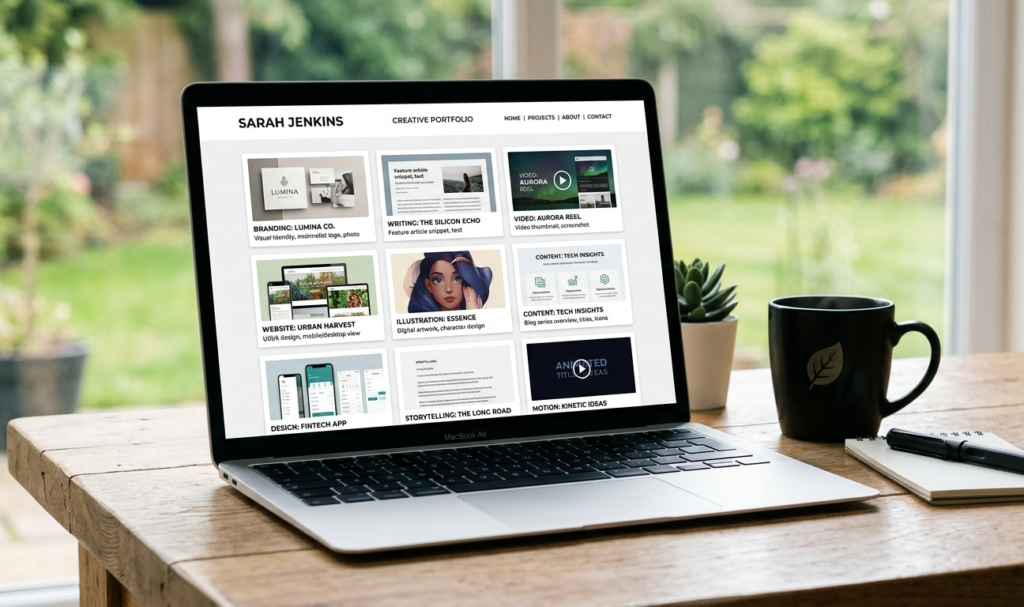
However, experience is not something you wait for,it is something you create. A portfolio is simply a collection of your work, and it doesn’t have to come from paid jobs.
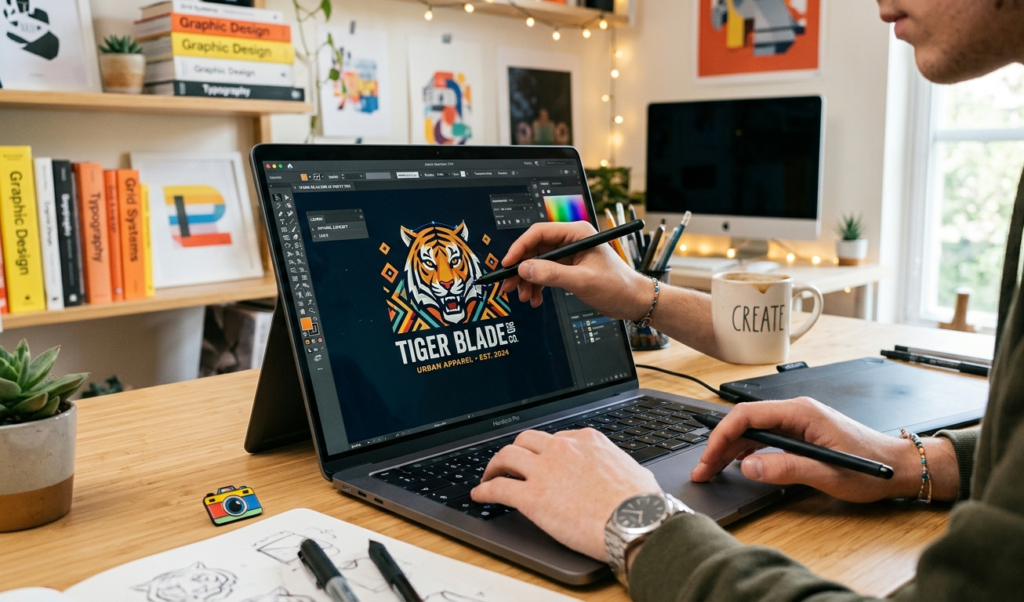
You can create sample projects that showcase your ability and present them as proof of what you can do.For instance, if you are learning graphic design, you can create logos or social media posts for imaginary brands.
If you are a writer, you can publish blog articles or create content around topics you understand.
If you are learning video editing, you can edit short clips and demonstrate your style.
The goal is to show potential clients or employers that you are capable. A simple portfolio, even if it is basic, is far more powerful than saying “I can do this” without evidence.
if you’re unsure which digital path to follow, check out my detailed guide on daily habits that can help you grow online consistently and upgrade your life to discover the most valuable skills you can start building right now.
4. Turn Social Media Into a Skill Platform
Social media is often seen as a distraction, but it can also be one of the most powerful tools for growth if used intentionally.
Instead of consuming content endlessly, you can use social platforms to document your journey, share your progress, and showcase your work.
This not only helps you stay accountable but also builds a digital presence that can attract opportunities.
When you consistently share what you are learning, you position yourself as someone who is serious and committed. Over time, people begin to notice your work, engage with your content, and even reach out for collaboration or services.
This organic visibility can be more powerful than actively searching for clients because it brings opportunities to you.
The key is consistently showing up regularly, even when growth feels slow.
After exploring practical ways students can build online skills from home, continue reading and stop waiting for the government to rescue you from poverty to discover why taking control of your future matters.

5. Offer Your First Service for Free or Cheap
Starting can be difficult because of the lack of confidence and real-world experience, which is why offering your first services for free or at a low cost can be a strategic move.
This approach allows you to gain hands-on experience, understand client expectations, and build a track record without the pressure of high stakes.
When you work on real projects, even small ones, you learn things that no tutorial can teach communication, deadlines, revisions, and problem-solving.
These experiences shape your professionalism and prepare you for higher-paying opportunities.
Once you have completed a few projects and gathered feedback or testimonials, you can gradually increase your rates and position yourself more confidently in the market.
6. Learn Basic Digital Tools
No matter which online skill you choose, there are certain tools that will become essential in your workflow.
Learning how to use these tools effectively can significantly improve your productivity and the quality of your work.
Whether it’s design software, writing platforms, communication tools, or file-sharing systems, familiarity with these tools makes you more efficient and reliable.
The goal is not to master every tool available but to understand the ones relevant to your skill and use them confidently.
Over time, as your skill grows, you will naturally explore more advanced tools, but starting with the basics is enough to get you moving.
If you’re interested in design, Canva is a beginner-friendly tool that allows you to create professional graphics easily.
7. Create a Daily Learning Routine
Consistency is the foundation of skill development, and this is something I learned during my time in university. It’s not about how much time you spend in one day, but how consistently you show up over time.
Even dedicating one to two hours daily can lead to significant progress if used effectively.
A structured routine helps you stay focused and disciplined. By dividing your time between learning, practicing, and reviewing, you create a balanced approach that reinforces your growth.
Over weeks and months, this consistency builds momentum, and what once felt difficult becomes second nature.
8. Develop a Personal Brand Around Your Skill
As you continue learning and improving, one of the smartest moves you can make is to build a personal brand that reflects your skill and journey.
This goes beyond just having a portfolio,it involves how you present yourself online, how you communicate your value, and how consistently you show up.
When people begin to associate your name with a specific skill, opportunities start finding you instead of the other way around.
This is one of the most overlooked ways students can build online skills, because many focus only on learning but ignore visibility.
By sharing insights, results, and progress, you gradually build trust and authority. Over time, this positions you as someone worth hiring or collaborating with.
9. Understand Basic Online Income Models
Learning a skill is only one side of the equation; understanding how that skill translates into income is equally important.
Many students learn valuable abilities but struggle to monetize them because they don’t understand how the online economy works.
Whether it’s freelancing, content creation, digital products, or remote work, each model requires a slightly different approach.
Exploring these systems is one of the practical ways students can build online skills from home, because it connects learning directly to earning.
When you understand how value flows in the online space, you become more strategic about what you learn and how you apply it.
Students who want to create portfolios or blogs can use WordPress to build simple and professional websites.
10. Track Your Progress and Improve Consistently
Tracking your progress is one of the most important habits for achieving long-term success in any area of life.
Whether you are working toward financial freedom, building an online business, learning a new skill, improving your health, or pursuing personal development goals, regularly monitoring your progress helps you stay focused and motivated.
When you keep track of what you have accomplished, you gain a clearer understanding of what is working and what needs improvement. Small daily efforts may not seem significant at first, but over time they add up to remarkable results.
By reviewing your achievements, setting measurable goals, and analyzing your performance, you can identify strengths to build upon and weaknesses to address.
Progress tracking also helps prevent discouragement because it allows you to see how far you have come, even when success feels slow. Consistent improvement is not about being perfect; it is about making small positive changes every day.
Successful people understand that growth is a continuous journey, and they use feedback, lessons learned, and experience to become better over time.
Whether through journals, spreadsheets, productivity apps, or simple checklists, creating a system to monitor your development can increase accountability and help you maintain momentum.
As you continue to learn, adapt, and refine your strategies, you will become more efficient, confident, and capable of reaching your goals.
Remember that every step forward, no matter how small, contributes to your overall success. By tracking your progress consistently and committing to ongoing improvement, you can overcome challenges, stay motivated during difficult periods, and steadily move closer to the future you envision for yourself.

11. Stay Consistent Even When Results Are Slow
One of the biggest challenges students face is staying motivated when results are not immediate.
It is easy to feel discouraged when effort does not quickly translate into income or recognition. However, consistency during these slow phases is what separates those who succeed from those who give up.
Understanding this is part of the deeper ways students can build online skills from home, because it teaches discipline, patience, and long-term thinking.
Progress may feel invisible at first, but with time, consistent effort compounds into real and visible results.
Looking back at those quiet nights in my dorm room, I realize that the turning point wasn’t a big breakthrough or sudden success,it was the decision to start, even when I didn’t feel ready.
The students who get ahead are not necessarily the most talented or the most privileged; they are the ones who take consistent action and adapt along the way.
If you are a student today, you have more access to opportunities than ever before.
The internet has removed many barriers, but it still requires effort, discipline, and patience.
By focusing on practical ways students can build online skills from home, you are not just preparing for a career,you are building a future that you control.
Start where you are, use what you have, and keep going. The results may not come immediately, but with time and consistency, they will come.
you can also read this guide on proven ways to turn simple skills into daily cash to learn how to start earning from the skills you already have:
Common Mistakes to Avoid When Building Online Skills From Home
While learning online can be an excellent way for students to develop valuable skills, there are several common mistakes that can slow down progress and reduce the effectiveness of the learning experience.
One of the biggest mistakes is trying to learn too many skills at the same time.
Many students become excited by the wide range of opportunities available online and jump from one course to another without fully mastering any of them. This often leads to confusion, frustration, and incomplete knowledge.
Another common mistake is focusing only on watching tutorials without taking action. Learning requires practice, and students who do not apply what they learn through projects, exercises, or real-world tasks may struggle to retain information and build confidence in their abilities.
Poor time management is another challenge that many students face. Without a clear schedule, it is easy to postpone learning sessions and lose consistency.
Successful skill development requires regular effort over time, not occasional bursts of motivation. Students should also avoid relying on low-quality or unverified learning resources.
The internet contains both excellent and misleading information, so it is important to choose reputable courses, websites, and instructors.
Additionally, many learners make the mistake of expecting immediate results.
Building valuable online skills takes patience, persistence, and continuous improvement. Some students become discouraged when they do not see quick progress and give up too soon.
Another mistake is failing to track progress and set specific goals. Without measurable objectives, it can be difficult to stay motivated and recognize achievements.
Students should also avoid learning in isolation whenever possible.
Joining online communities, participating in discussions, and seeking feedback from experienced learners can greatly improve understanding and growth.
Finally, neglecting to build a portfolio is a missed opportunity. Whether the skill is writing, graphic design, programming, video editing, or digital marketing, showcasing completed work helps demonstrate competence and can open doors to internships, freelance projects, and future employment opportunities.
By avoiding these common mistakes and maintaining a disciplined, focused approach, students can maximize their learning experience and develop skills that provide long-term personal and professional benefits.
Frequently Asked Questions (FAQ)
Many students wonder whether they can successfully build valuable online skills from home, and the answer is yes.
One of the most common questions is which skills are worth learning, with popular options including content writing, graphic design, programming, digital marketing, video editing, and social media management.
Students also frequently ask whether they need to pay for courses, but the good news is that countless free resources are available online, making it possible to learn without a large financial investment.
Another common concern is how much time should be dedicated to learning.
While there is no fixed answer, consistent daily practice, even for just an hour, can produce impressive results over time.
Many students are also interested in whether they can earn money from the skills they develop, and in many cases they can through freelancing, internships, remote jobs, or personal projects.
Questions about equipment are also common, with many learners wondering if a smartphone is enough to get started.
While some advanced skills are easier to learn on a computer, many online skills can be studied effectively using a smartphone and an internet connection.
Students often ask how long it takes to become proficient, but the timeline varies depending on the skill, learning methods, and level of commitment.
The most important thing to remember is that success does not happen overnight.
By staying consistent, practicing regularly, setting clear goals, and continuously improving, students can gradually build valuable online skills that may benefit them academically, professionally, and financially for years to come.
If you’re learning online skills to improve your future opportunities, you may also enjoy our article 10 powerful ways to eliminate poverty forever, which explores strategies for achieving long-term financial success.
